

Antique Rugs for Historic New England Homes
How to Choose an Antique Rug for a Historic New England Home
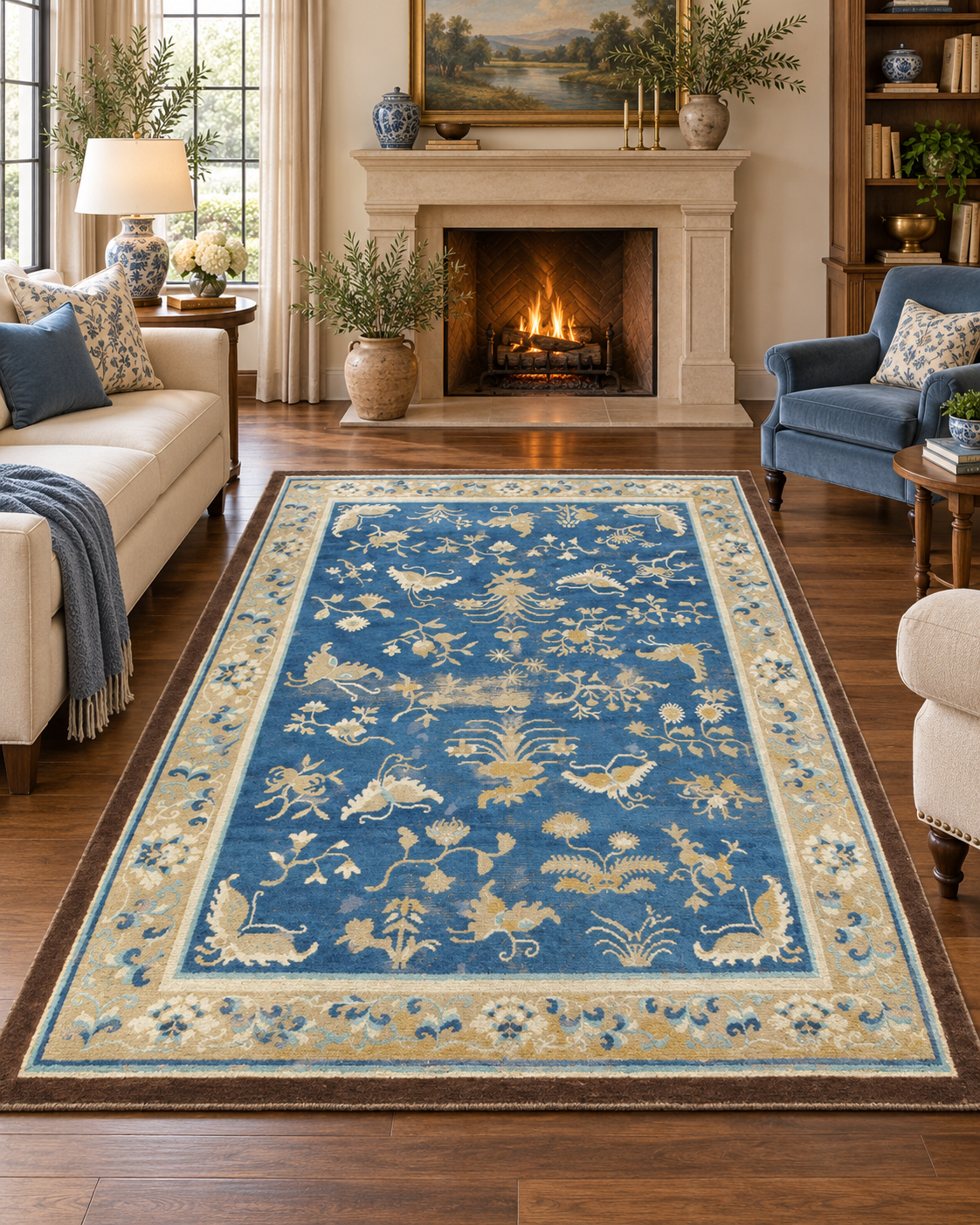
Historic New England homes have a character that cannot be easily recreated. Original wood floors, exposed beams, traditional fireplaces, detailed millwork, and rooms shaped by generations of use give these properties their distinctive appeal.
Choosing an antique rug for a historic home means finding a piece that complements these architectural features without overwhelming them. The right rug should respect the home's character while making the space comfortable and beautiful for modern living.
From Colonial homes in Concord and Lexington to Federal-style residences and Victorian brownstones in Boston, antique Persian and Oriental rugs offer rich colors, traditional craftsmanship, and a sense of history.
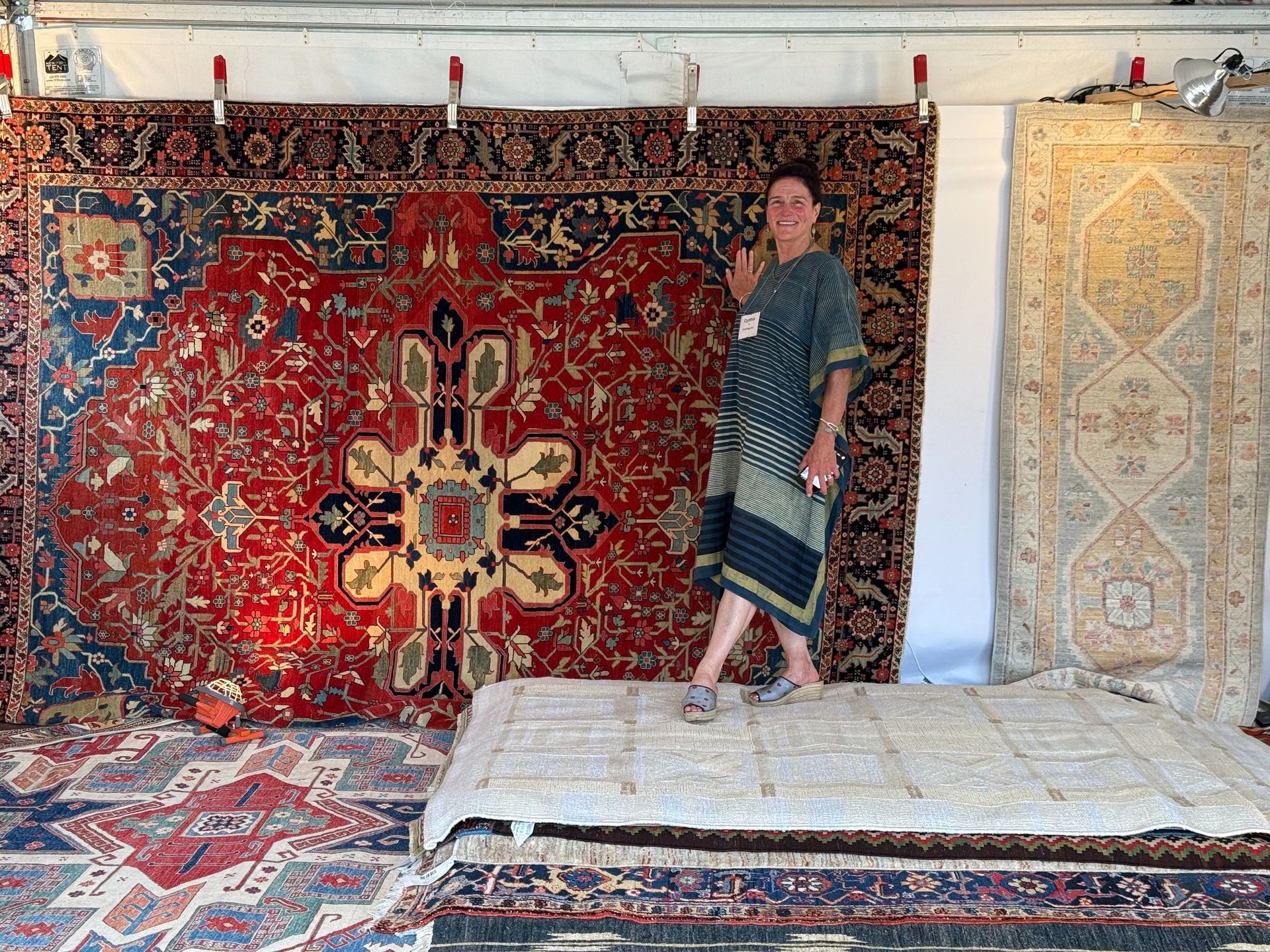
At First Rugs, Cynthia First brings more than 25 years of experience sourcing fine hand-knotted rugs. Her background in antiques and design offers a valuable perspective for homeowners seeking rugs that feel at home in older New England properties.

Why Do Antique Rugs Work So Well in Historic
New England Homes?
Antique rugs complement historic homes because their natural materials, traditional craftsmanship, and individual character work beautifully with older architectural features.
Many historic New England homes feature details that have developed their own patina over time. Wood floors may show subtle wear. Fireplace surrounds, architectural moldings, and original doors often reflect the craftsmanship of another era.
An antique rug can bring these elements together without making the interior feel like a museum.
Unlike furnishings selected to recreate a specific historical period, an antique rug can introduce another layer of history. A nineteenth-century Persian carpet may look beautiful in an eighteenth-century Massachusetts farmhouse, even though the rug and house come from different traditions.
The goal is not necessarily historical reproduction. It is creating a collected interior where older and newer pieces feel naturally connected.
What Makes Historic Homes in Concord and Lexington Unique?
Concord and Lexington are known for their Colonial and Federal-era architectural heritage. Historic homes in these communities may feature wide-plank flooring, central fireplaces, smaller rooms, and traditional woodwork.
Concord also has examples of Greek Revival, Gothic Revival, and other nineteenth-century architecture.
These details influence rug selection. A room with wide pine floorboards and exposed beams may benefit from a softer, less formal carpet. A more symmetrical Federal-style interior might accommodate a refined antique Persian rug with a balanced pattern.
The architecture provides a starting point, but the homeowner's personal style should guide the final decision.

Which Antique Rug Styles Complement Colonial, Federal, and Victorian Homes?
Antique Persian, Turkish, and Caucasian rugs can complement historic New England homes. The best choice depends on the room's proportions, architectural details, furnishings, and desired atmosphere.
Antique Serapi and Heriz Rugs for Colonial Homes
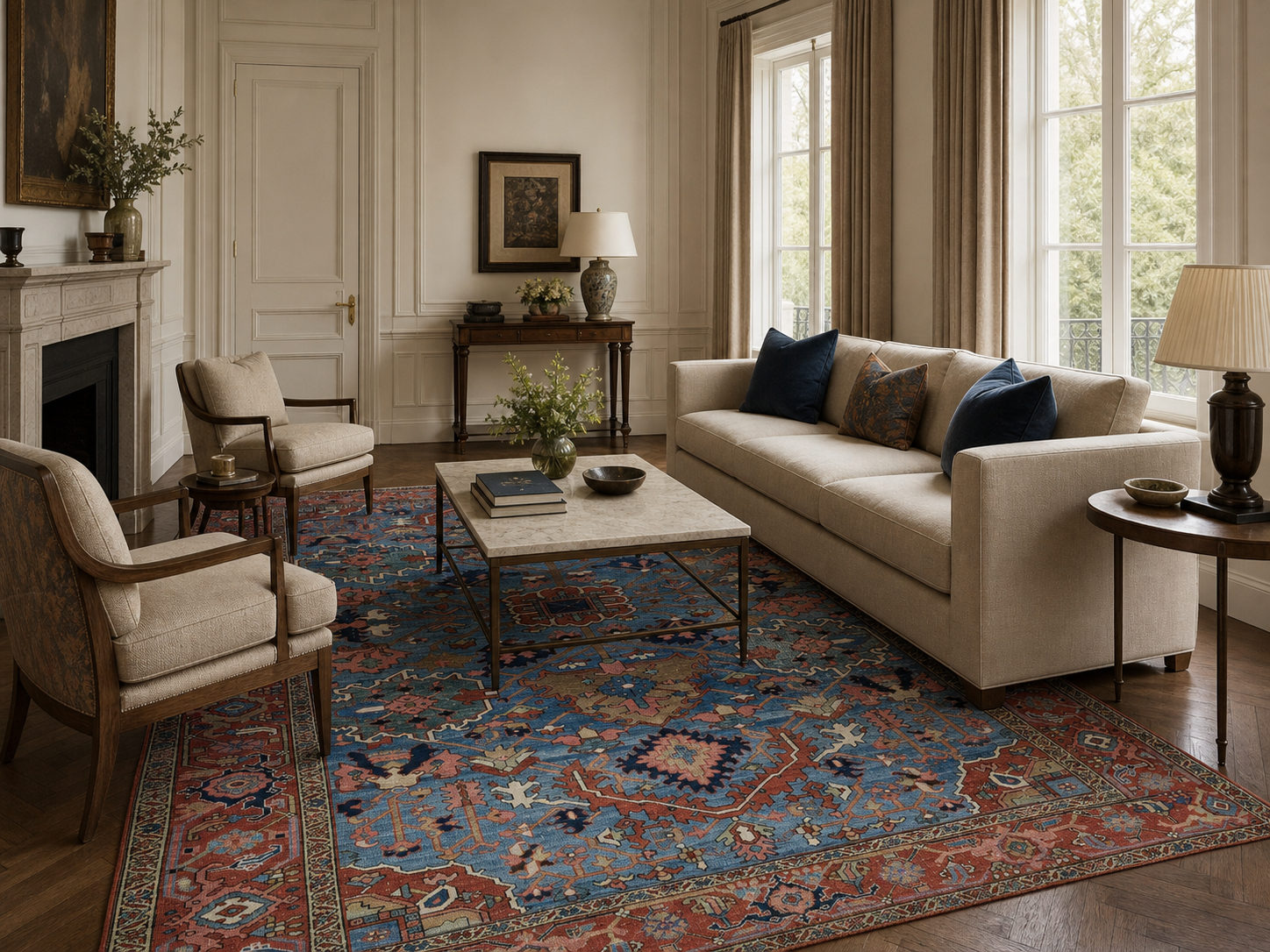
Antique Serapi and Heriz rugs are excellent options for homeowners who appreciate strong geometric patterns and traditional color palettes.
These Persian rugs are known for angular designs, distinctive medallions, and combinations of red, blue, ivory, and warm earth tones.
Their patterns can complement exposed wooden beams, antique furniture, and the natural textures often found in Colonial-style homes.
A Heriz rug may provide a strong visual foundation for a living room, while an antique Serapi can introduce warmth and character without requiring elaborate furnishings.
Antique Oushak Rugs for Softer Historic Interiors
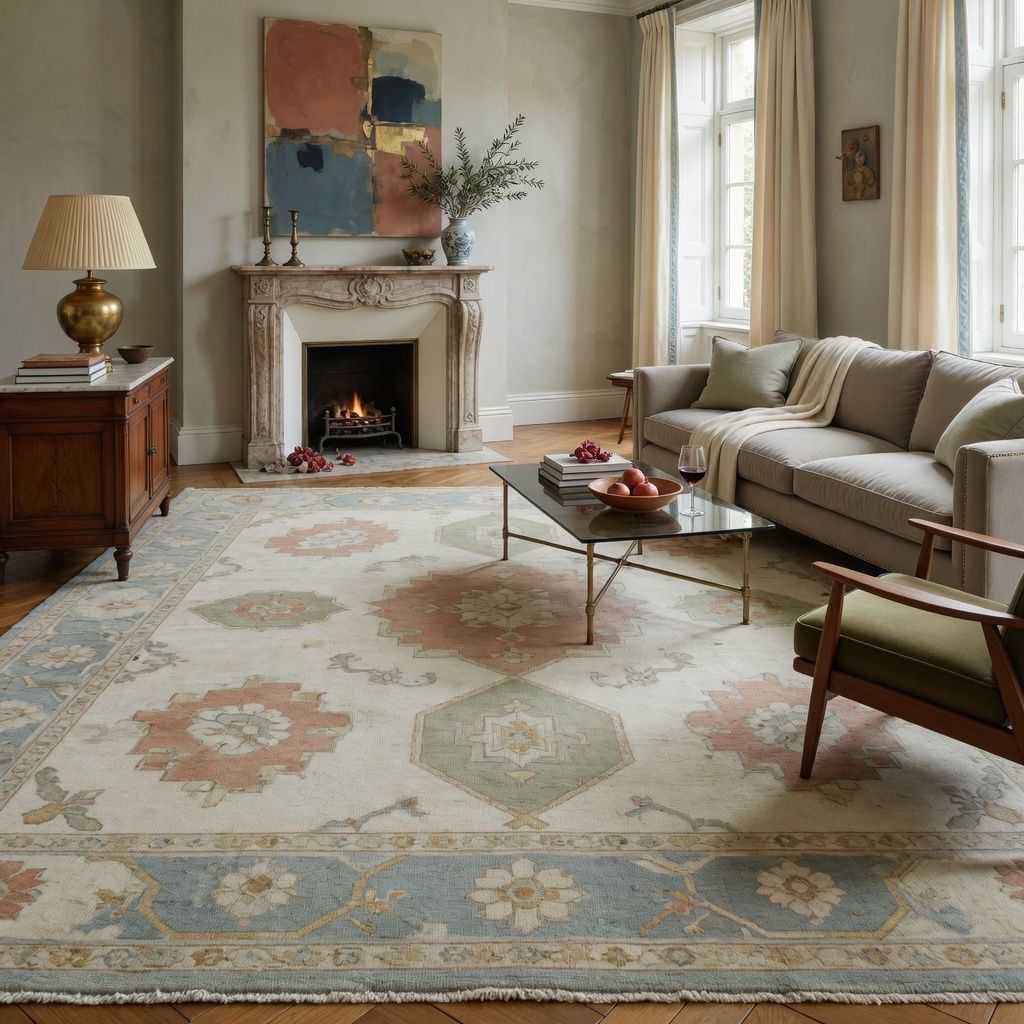
Antique Turkish Oushak rugs often feature large-scale patterns and relatively soft, muted colors.
Their palettes may include faded gold, terracotta, ivory, soft blue, and warm beige.
These characteristics make Oushak rugs appealing in historic homes where architectural details should remain prominent.
For example, a softly colored Oushak rug can complement painted woodwork, traditional upholstery, and the warm tones of an older pine floor.
Antique Sarouk and Kerman Rugs for Formal Rooms
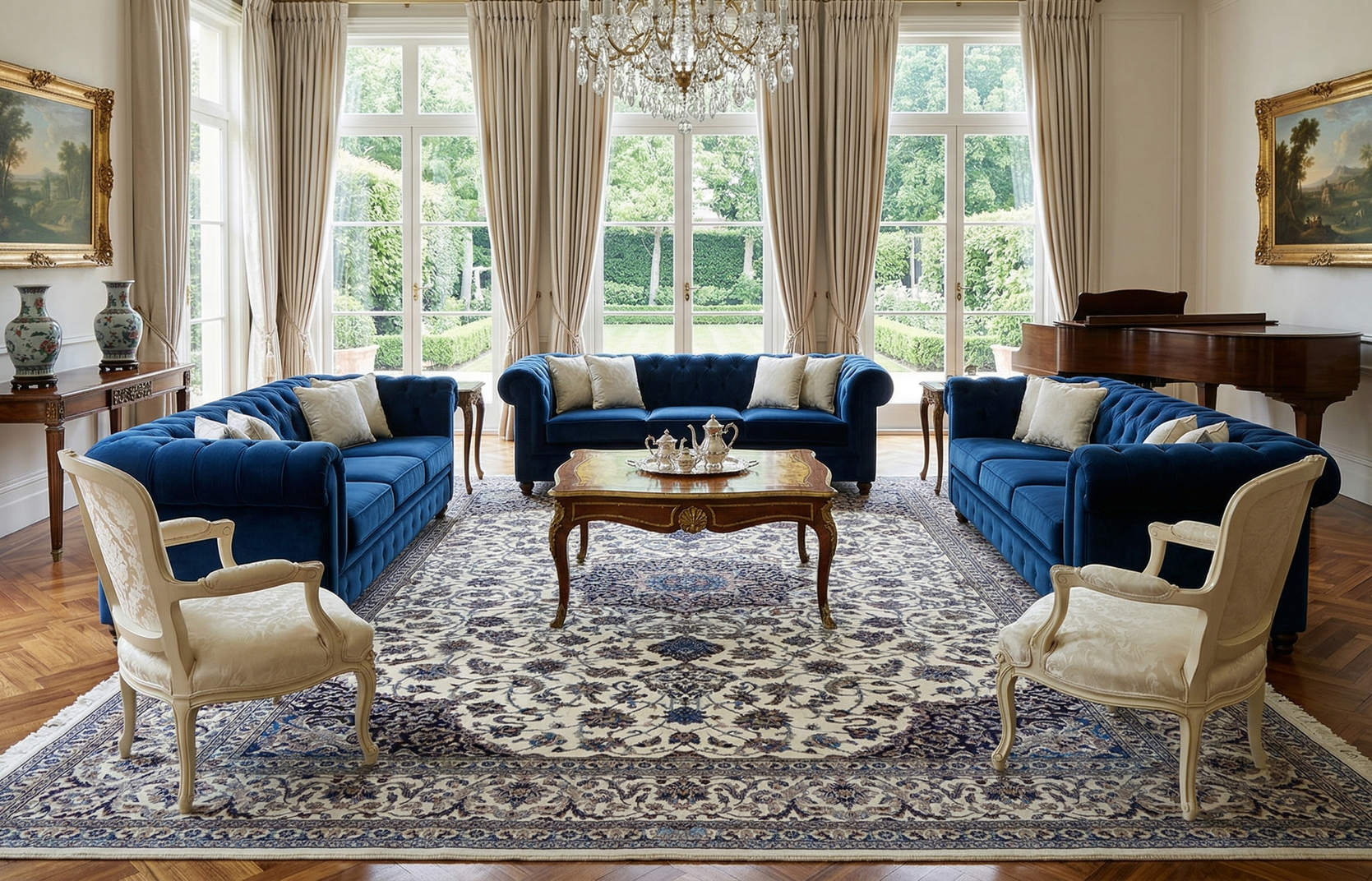
Antique Persian Sarouk and Kerman rugs can be beautiful choices for more formal historic interiors.
Their floral patterns and decorative borders work especially well in traditional dining rooms, libraries, and sitting rooms.
In a Federal-style home with symmetrical architectural details, a carefully selected Persian rug can reinforce the room's sense of balance.
These rugs also pair naturally with antique wood furniture, upholstered seating, and classic decorative accents.
Antique Rugs for Boston Brownstones and Victorian Homes
Boston's historic South End and Back Bay contain many nineteenth-century residences with architectural details that differ from earlier Colonial homes.
Higher ceilings, decorative plasterwork, bay windows, and more elaborate interiors can accommodate rugs with stronger patterns and richer colors.
Large antique Persian carpets can anchor formal living rooms, while smaller rugs may define seating areas or provide warmth in bedrooms.
An antique rug can also create an appealing contrast with contemporary furniture in a renovated Boston brownstone.
The key is choosing a piece that relates to the room's scale and character rather than simply matching its age.

How Do You Choose the Right Rug Size for an Older Home?
The right rug size depends on the usable floor area, furniture arrangement, walking paths, and architectural features of the room.
Historic houses rarely follow the predictable layouts of newer construction. Some have smaller rooms, narrow hallways, unusual corners, or fireplaces that interrupt the available floor space.
Before choosing an antique rug, measure the room carefully.
Consider the following:
- Living rooms: Choose a rug that connects the main seating arrangement without crowding the space.
- Dining rooms: Allow enough room for chairs to remain on the rug when pulled away from the table.
- Bedrooms: Consider the placement of the bed, dressers, doors, and fireplaces.
- Hallways: Antique runners can add color while helping protect older flooring from everyday foot traffic.
- Sitting rooms and studies: Smaller antique rugs can define intimate spaces without covering every inch of the floor.
Should You Cover Original Hardwood Floors With a Large Rug?
Not necessarily. Historic wood floors are often among a home's most attractive features, and leaving some flooring visible can help preserve their visual importance.
In a Colonial-era home with wide pine floorboards, a slightly smaller antique rug may provide a pleasing balance between textile and architecture.
A larger rug may be more appropriate in a spacious Victorian living room or formal dining room.
The goal is to create comfortable proportions while allowing the room's original craftsmanship to remain visible.
Finding the right size can be challenging in an older home. First Rugs offers in-home design consultations, including space measuring and rug selection, to help homeowners choose pieces that suit their rooms.

What Should You Consider Before Buying an Antique Rug for a Historic House?
Before purchasing an antique rug, consider its authenticity, condition, materials, dimensions, and suitability for the intended room.
An antique rug is more than 100 years old, but age alone does not determine its quality or suitability.
Each piece should be evaluated individually.
Examine the Rug's Condition
Antique rugs naturally show evidence of age and use. Some wear can contribute to their character, while more significant damage may require professional attention.
Important details include:
- Pile wear and areas of exposed foundation
- Fringe and edge condition
- Previous repairs or restoration
- Color changes and fading
- Structural stability and suitability for regular use
A rug intended for a busy family living room may require different considerations than a collectible piece displayed in a quieter study.
Protect Historic Wood Floors
Older wood floors deserve special attention when placing an antique rug.
Some historic New England homes retain wide pine floorboards or older finishes that require more careful maintenance than modern hardwood flooring.
Choose an appropriate rug pad that provides cushioning and stability without damaging the floor finish.
Avoid assuming that every rubber-backed or adhesive pad is safe for historic flooring. Certain materials can interact with floor finishes or leave residue.
If your home has original or historically significant floors, consult a flooring preservation professional before selecting an underlay.
Consider Seasonal Changes in New England
New England's changing seasons can affect both rugs and historic interiors.
During fall and winter, tracked-in moisture, grit, and road salt can place additional stress on rugs near entrances.
Indoor heating during colder months may also affect the environment in which antique textiles are kept.
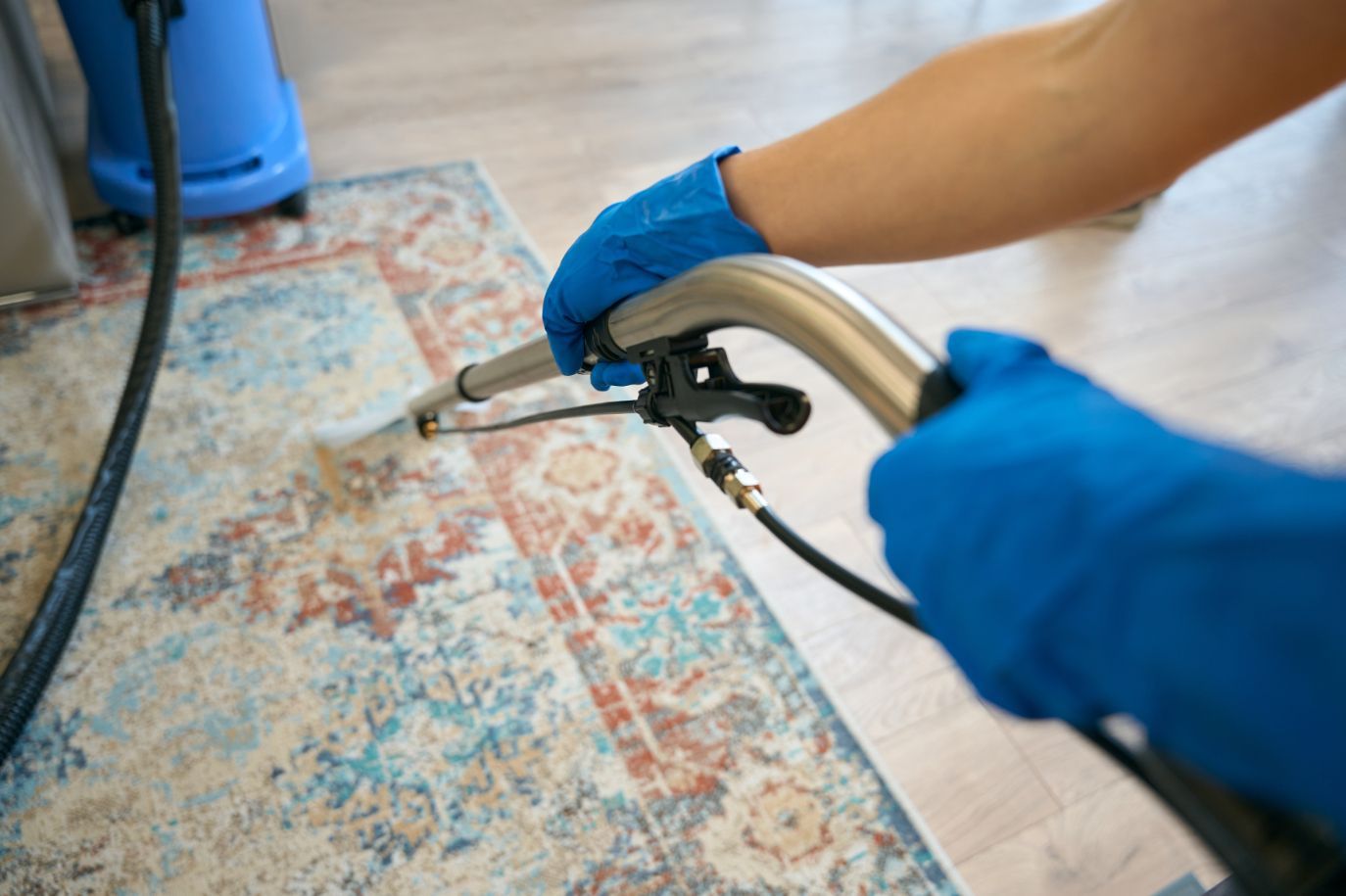
Regular, gentle maintenance and appropriate professional cleaning help preserve fine rugs. If a rug is especially fragile or valuable, ask a specialist how it should be used and cared for.
First Rugs provides professional rug cleaning, repair, and restoration services for homeowners throughout Greater Boston.
Where Can You Find Antique Rugs for Historic Homes
Near Boston?
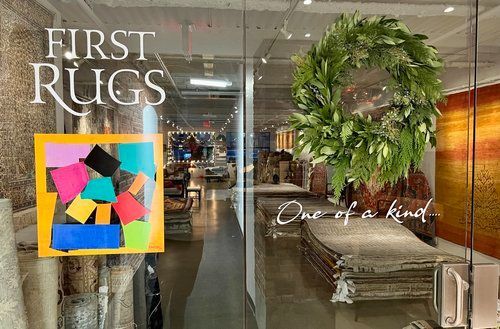
First Rugs offers antique, vintage, and hand-knotted rugs through its flagship showroom in Acton, Massachusetts, and its location in Boston's SoWa Art+Design District.
With a collection of more than 6,000 rugs, First Rugs provides options for many architectural styles, room sizes, and personal preferences.
For homeowners in Concord, Lexington, Lincoln, Carlisle, and surrounding MetroWest communities, the Acton showroom offers a convenient place to explore antique rug styles in person.
The Boston SoWa showroom serves homeowners, collectors, and interior designers throughout the city, including those furnishing historic residences in the South End, Back Bay, Beacon Hill, and nearby neighborhoods.
Cynthia First's experience in antiques and fine rugs helps clients look beyond color and pattern to consider craftsmanship, condition, scale, and long-term suitability.
Whether selecting a geometric antique Heriz for a Colonial living room or a more delicate Persian carpet for a formal Boston residence, the process should begin with understanding the home itself.
Bring History and Character Into Your New England Home
A thoughtfully chosen antique rug can become one of the most meaningful features of a historic home.
It brings together craftsmanship from different times and places while creating a comfortable foundation for everyday living.
Visit First Rugs in Acton or Boston to explore antique Persian, Turkish, and Oriental vintage rugs, or contact our team to schedule a personalized design consultation.
Frequently Asked Questions About Antique Rugs for
Historic Homes
Q: What type of rug looks best in a Colonial-style home?
A: Antique Heriz, Serapi, Oushak, and other traditional hand-knotted rugs can work beautifully in Colonial-style homes. The best choice depends on the room's proportions, wood tones, furnishings, and desired color palette. Rugs with natural materials and a sense of age often complement historic architectural details.
Q: Should an antique rug match the age of a historic home?
A: No. An antique rug does not need to come from the same historical period as the house. A nineteenth-century Persian carpet can complement an eighteenth-century New England home. What matters most is how the rug's color, pattern, scale, and character relate to the interior.
Q: Are antique rugs suitable for homes with original wood floors?
A: Yes. Antique rugs can add warmth and help protect older wood floors from everyday wear when used appropriately. Select a rug pad compatible with the floor's finish and avoid materials that may trap moisture or leave residue. Historic flooring may require specialized guidance.
Q: What antique rugs work well in Boston brownstones?
A: Antique Persian Sarouk, Kerman, Heriz, and Serapi rugs can complement the architectural details found in many Boston brownstones. Larger rooms may accommodate richly patterned carpets, while smaller spaces may benefit from simpler designs. Antique rugs can also provide a beautiful contrast to contemporary furniture.
Q: Where can I buy an antique rug near Concord or Lexington, Massachusetts?
A: First Rugs has a flagship showroom at 13 Great Road in Acton, Massachusetts, conveniently located for homeowners in Concord, Lexington, Lincoln, and surrounding communities. The collection includes antique Persian, Turkish, Oriental, and other fine hand-knotted rugs. First Rugs also offers design consultations and professional rug services.