Why Are Antique Persian Serapi Rugs So Highly Collectible?
Antique Persian Serapi Rugs: History, Value, and What to Look For
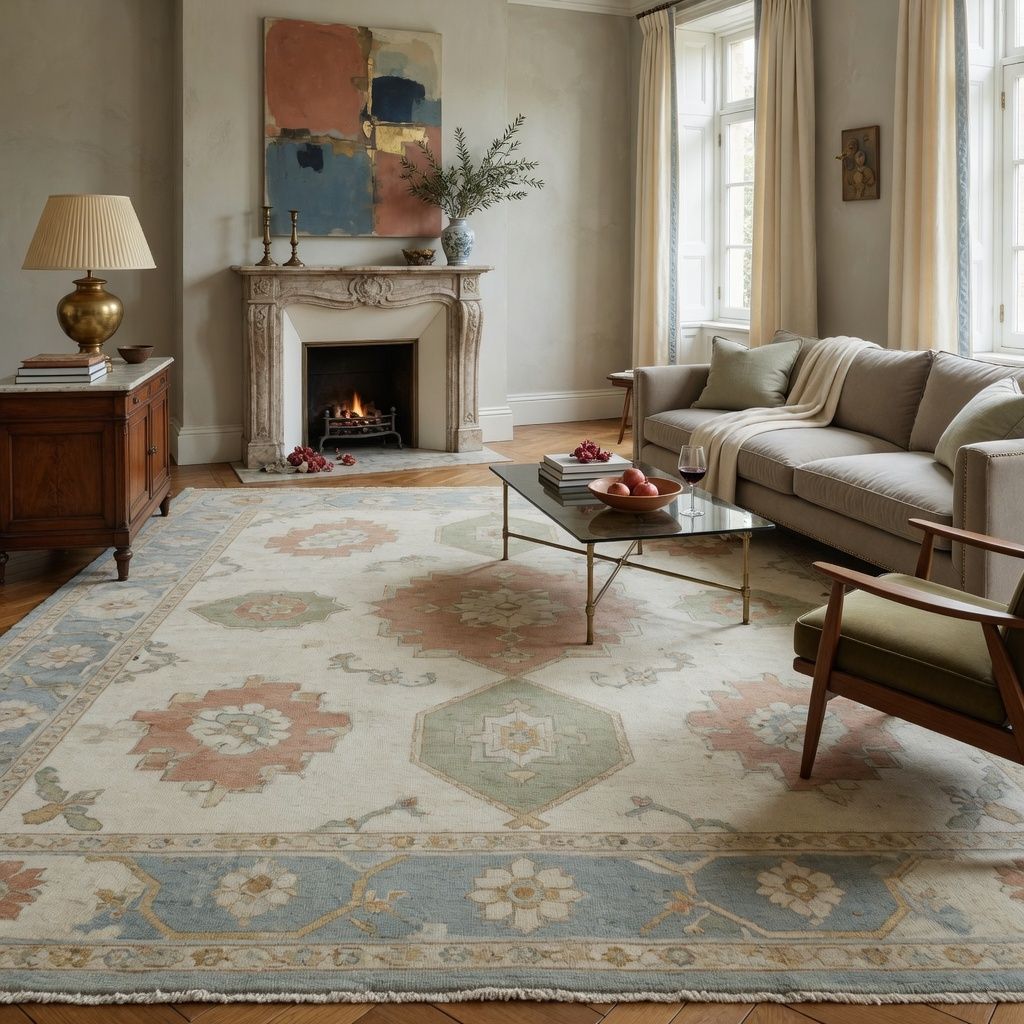
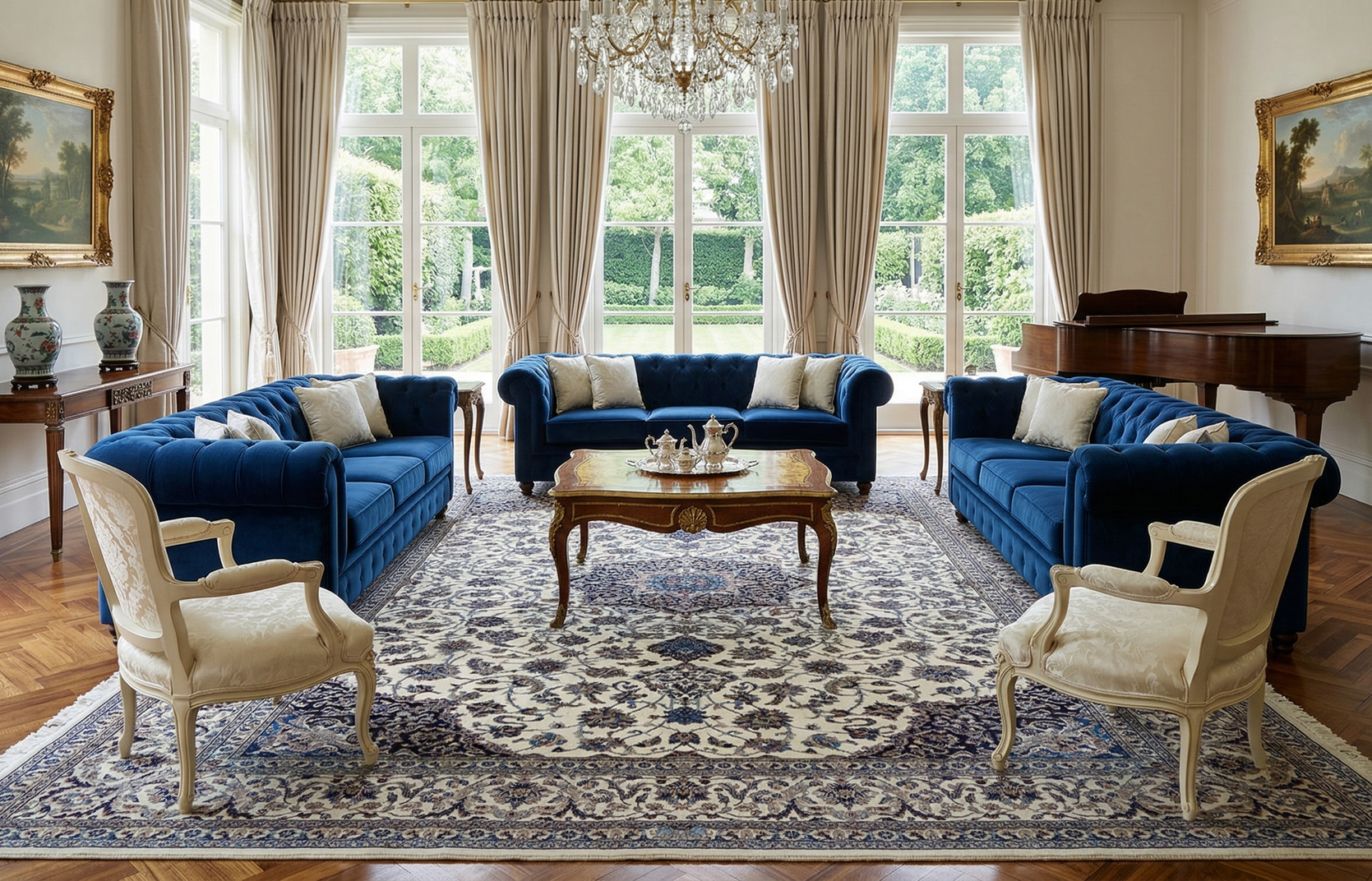
For collectors, interior designers, and homeowners seeking investment-quality rugs, few pieces command the admiration and respect of an antique Persian Serapi rug. Known for their bold geometric medallions, spacious compositions, and extraordinary hand-spun wool, Serapi Persian rugs represent some of the most desirable antique Persian weavings ever produced.
At First Rugs, we frequently help clients understand what separates a truly exceptional Serapi from other antique Persian rugs. Whether you are furnishing a historic New England home, designing a contemporary interior, or building a collection of fine hand-knotted rugs, understanding the history and value of Serapi rugs can help you make an informed decision.
What Is an Antique Persian Serapi Rug?
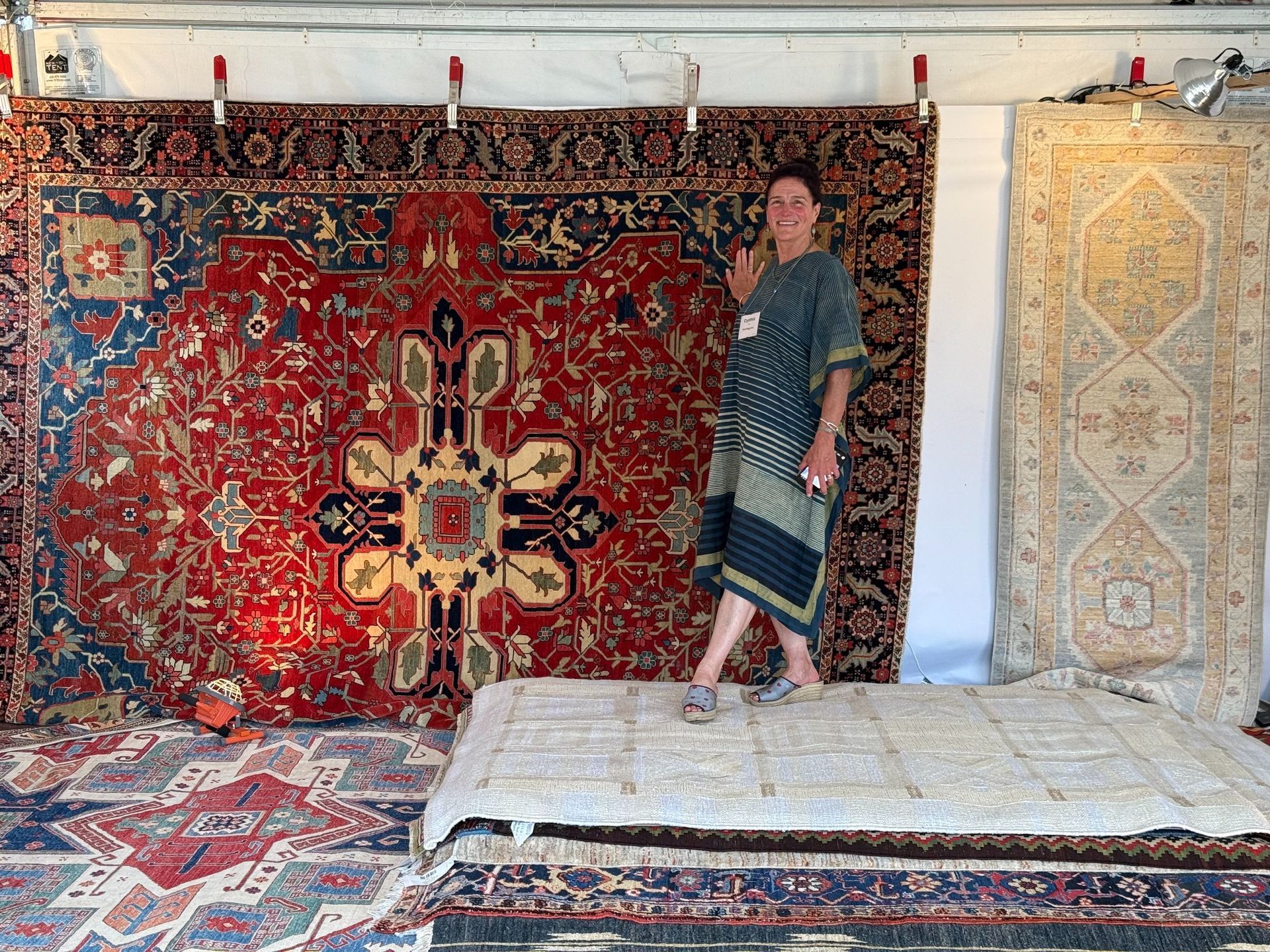
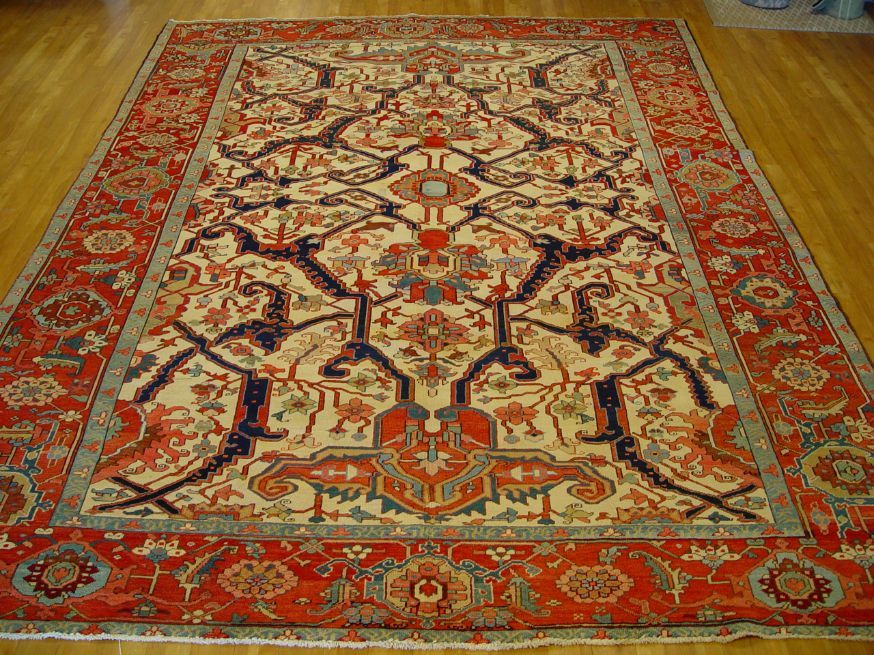
A Serapi Persian rug is a distinctive type of antique Persian rug woven in the Heriz region of northwest Persia (modern-day Iran) during the late nineteenth and early twentieth centuries.
Most Serapi rugs are room-sized or larger and are immediately recognizable by their:
• Large central geometric medallions
• Open, spacious fields
• Contrasting corner spandrels
• Bold architectural designs
• Rich natural dyes with visible abrash
• Durable hand-spun wool construction
Unlike some Persian rugs that emphasize dense floral patterns, Serapi rugs are admired for their balance, scale, and striking visual presence.
Why Are The Most Desirable Serapi Rugs From 1875 Through The Early 1900s?
Collectors generally consider the finest Serapi rugs to have been woven between approximately 1875 and the early 1900s.
During this period, weavers had access to exceptional local wool, natural vegetable dyes, and traditional weaving techniques passed down through generations.
Many of the most sought-after examples feature:
• Deep coral reds
• Soft ivory fields
• Indigo blues
• Sky blue accents
• Subtle abrash throughout the design
These characteristics create the warmth and depth that collectors associate with museum-quality antique Persian Serapi rugs.
Because these rugs were woven entirely by hand, no two examples are exactly alike.
What Is Abrash and Why Do Collectors Appreciate It?
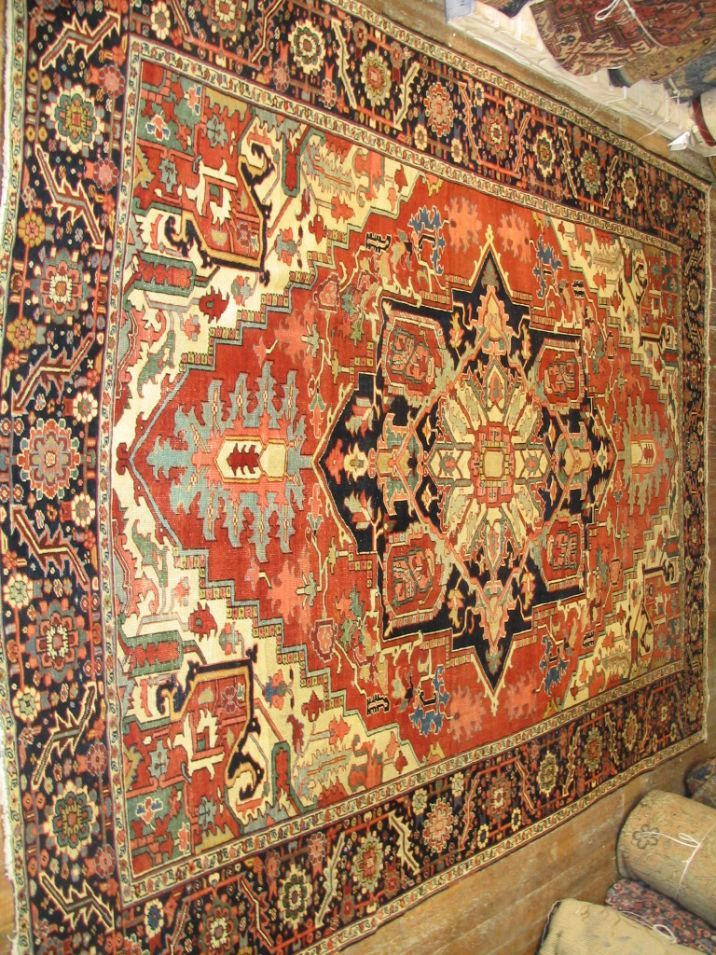
One of the defining features of an antique Serapi rug is abrash.
Abrash refers to the natural variation in color that occurs when wool is hand-dyed in separate batches. Rather than being considered a flaw, abrash is often viewed as evidence of authenticity and craftsmanship.
In antique Serapi rugs, abrash creates:
• Visual depth
• Color movement
• Character and individuality
• Confirmation of traditional dyeing methods
Collectors often seek out antique carpets where these subtle color shifts enhance the overall design.
What Makes Antique Persian Serapi Rugs Valuable?
Several factors contribute to the value of an antique Persian Serapi rug.
Age
Examples dating from the late nineteenth century are generally the most sought after.
Design
Strong geometric medallions, balanced proportions, and open field compositions are especially desirable.
Wool Quality
The finest Serapi rugs were woven using high-quality hand-spun wool that continues to age beautifully more than a century later.
Condition
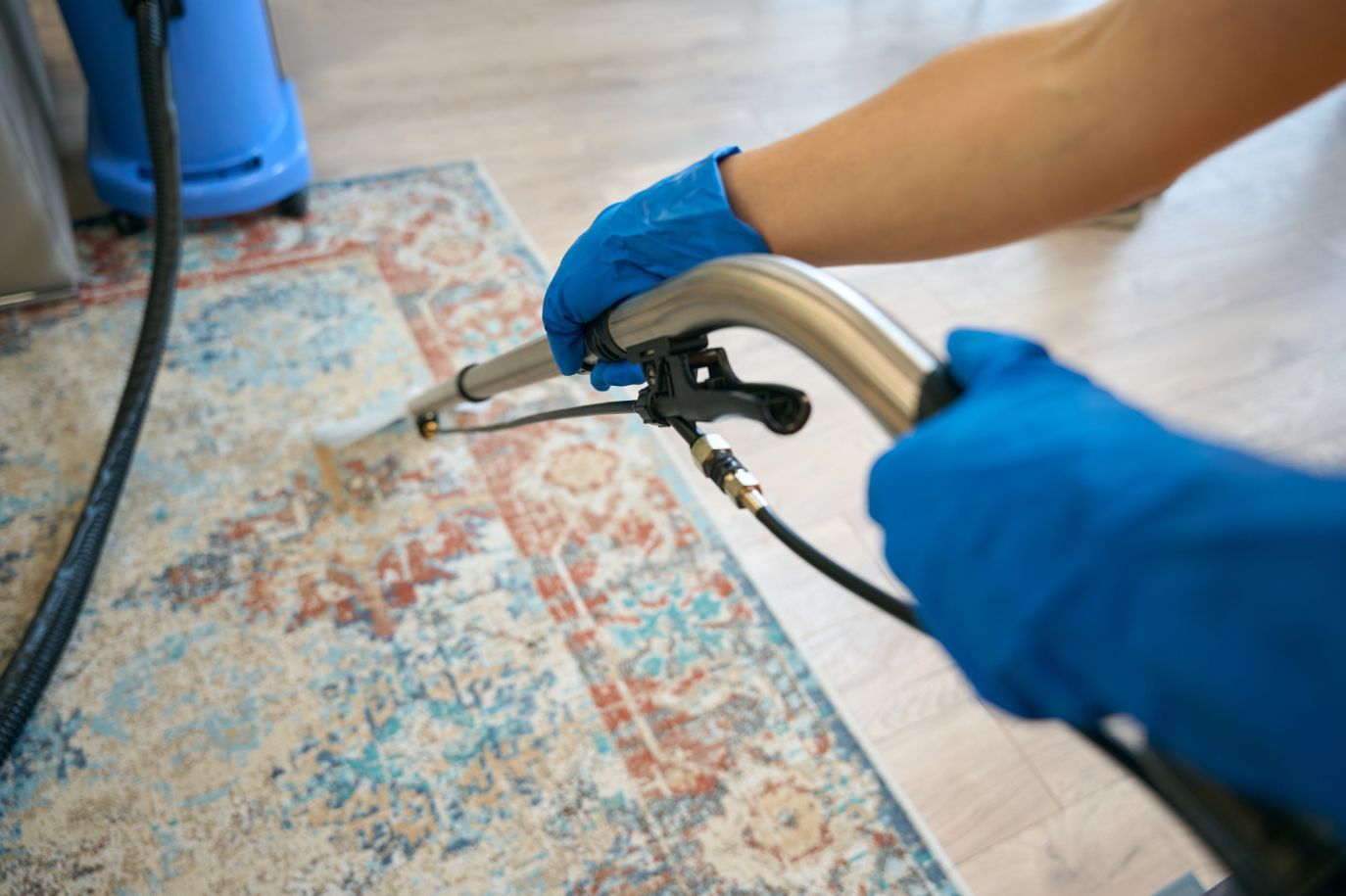
Proper preservation, professional cleaning, and expert restoration all contribute to long-term value.
Color
Collectors often gravitate toward rugs with exceptional natural dyes and attractive abrash.
When these elements come together, a Serapi rug can become both a functional design piece and a significant collectible.
Why Do Interior Designers Love Antique Serapi Rugs?
Although Serapi carpets were woven more than a century ago, their designs feel surprisingly modern.
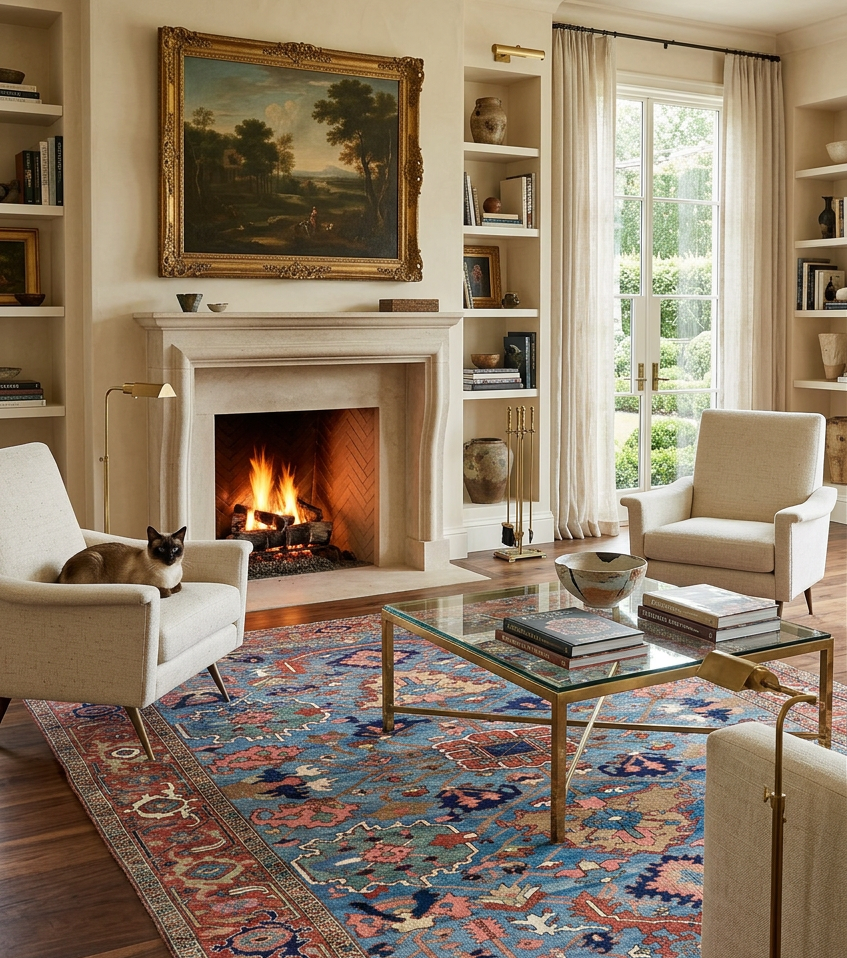
Designers throughout Greater Boston frequently select Serapi rugs because they complement:
• Traditional interiors
• Transitional homes
• Modern architecture
• Historic New England properties
• Contemporary luxury spaces
The bold geometry creates structure within a room, while the softened natural dyes provide warmth and livability.
This combination explains why Serapi rugs remain among the most requested antique Persian rugs in the design community.
How Can You Tell If A Serapi Rug Is Authentic?
Authentic antique Persian Serapi rugs typically display several characteristics:
• Hand woven construction
• Natural wool fibers
• Visible abrash
• Geometric medallion layouts
• Age-appropriate wear patterns
• Individual craftsmanship details
Because authenticity and condition significantly affect value, working with an experienced antique rug dealer is essential when evaluating a Serapi rug.
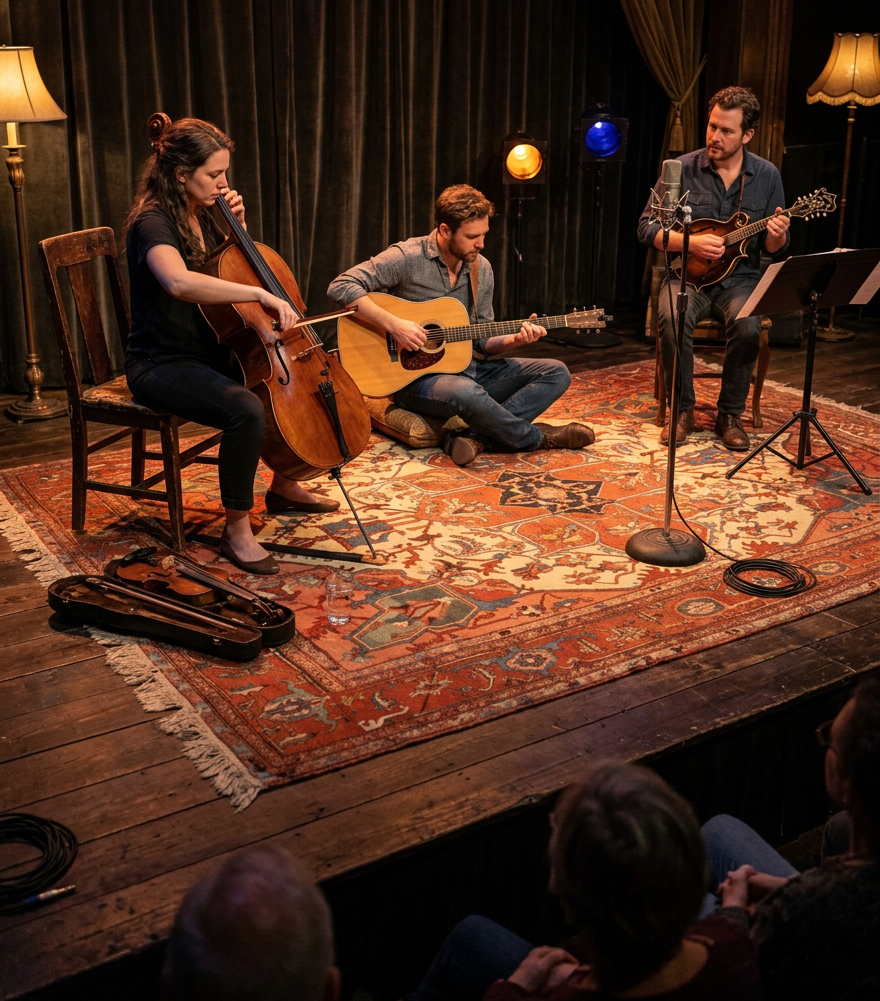
Where Can You See Antique Persian Serapi Rugs In Person?
While photographs can introduce you to a Serapi rug, nothing replaces seeing one in person.
The scale, texture, color variation, and hand-spun wool are best appreciated firsthand.
Throughout the summer and fall, visitors can stop by First Rugs in Boston's SoWa Art+Design District while enjoying the popular Sunday SoWa Markets. From May through November, the neighborhood becomes one of Boston's most vibrant destinations for art, design, food, and culture.
A visit offers an opportunity to explore a curated collection of antique Persian rugs while experiencing one of the city's premier design districts.
Ready to experience the beauty of an antique Persian Serapi
rug in person?
Visit First Rugs at our Acton showroom or our Boston SoWa Art+Design District location (with Simply Windows) and explore more than 6,000 hand-knotted works of art sourced from around the world. If you're visiting the Sunday SoWa Markets this season, stop in and discover why collectors, homeowners, and designers have trusted First Rugs for more than 25 years.
First Rugs is also proud to support the arts community, including lending rugs for exhibitions, stages, and reception areas at
Visit Us:
• Acton Showroom: 13 Great Road, Acton, MA 01720 — (978) 263-0100
• Boston SoWa: 500 Harrison Avenue, Suite 107, Boston, MA 02118 — (978) 739-9033
• New York City Showroom: 39 East 31st St., New York, NY 10016 — (212) 889-3326 (By Appointment Only)
Schedule a Consultation today!
First Rugs serves Greater Boston, New York City, and the design community from its Acton and Boston SoWa showrooms, as well as its New York City showroom available by appointment.
FAQs
Q: What is the difference between a Serapi rug and a Heriz rug?
A: Serapi rugs are generally considered the finest antique weavings from the Heriz region. They often feature more spacious designs, refined proportions, and softer natural color palettes than many later Heriz rugs.
Q: Are antique Persian Serapi rugs a good investment?
A: Many collectors consider antique Persian Serapi rugs among the most desirable antique Persian rugs due to their rarity, craftsmanship, natural dyes, and continued demand among designers and collectors.
Q: Why do antique Serapi rugs have color variations?
A: These variations are known as abrash and occur naturally when wool is dyed in separate batches. Collectors often view abrash as a sign of authenticity and traditional hand-weaving techniques.