Luxury Rug Restoration Services in Boston, MA
Antique Rug Restoration in Boston: When to Repair vs. Replace
What Qualifies as an Antique or Heirloom Rug?
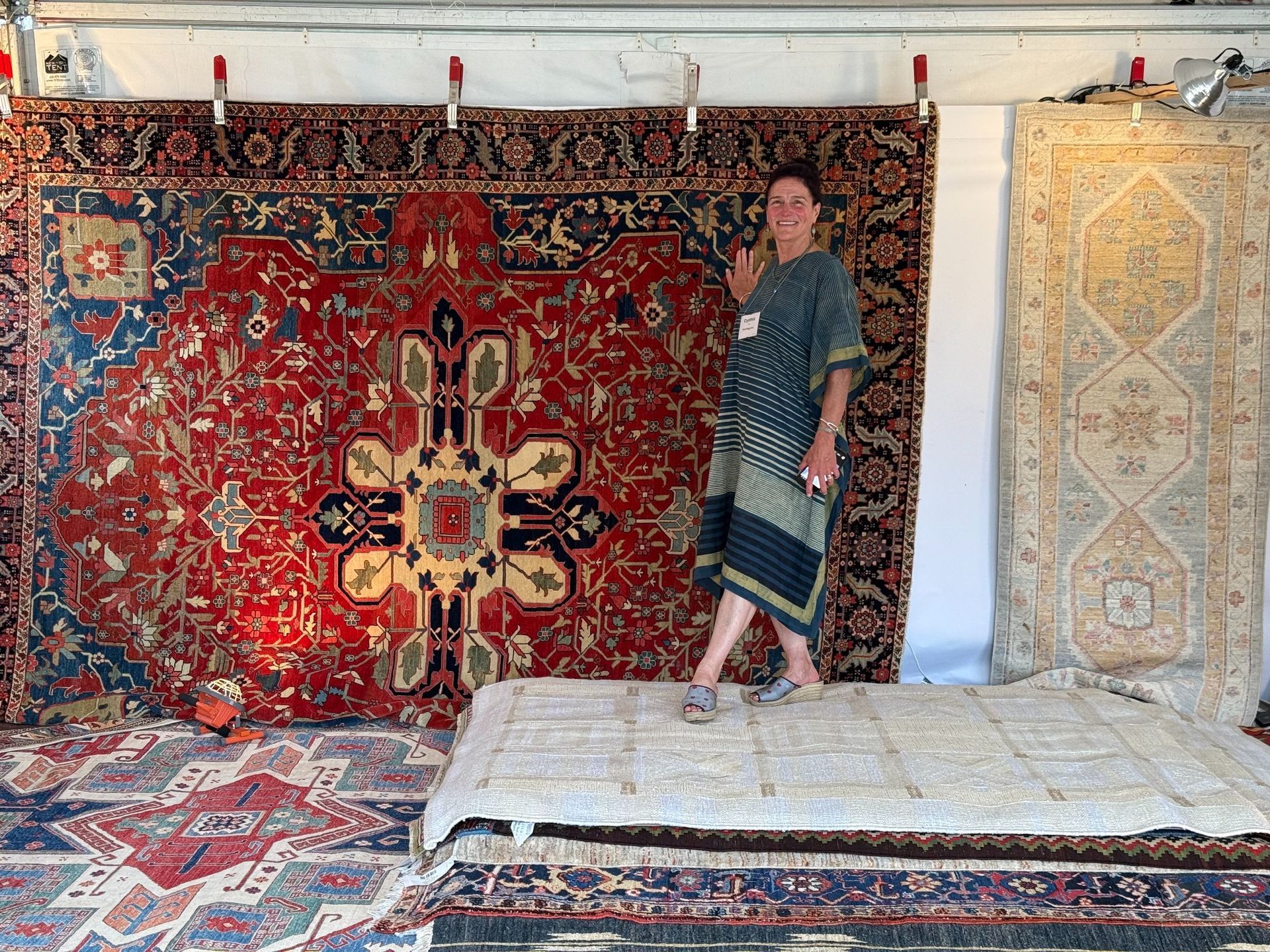
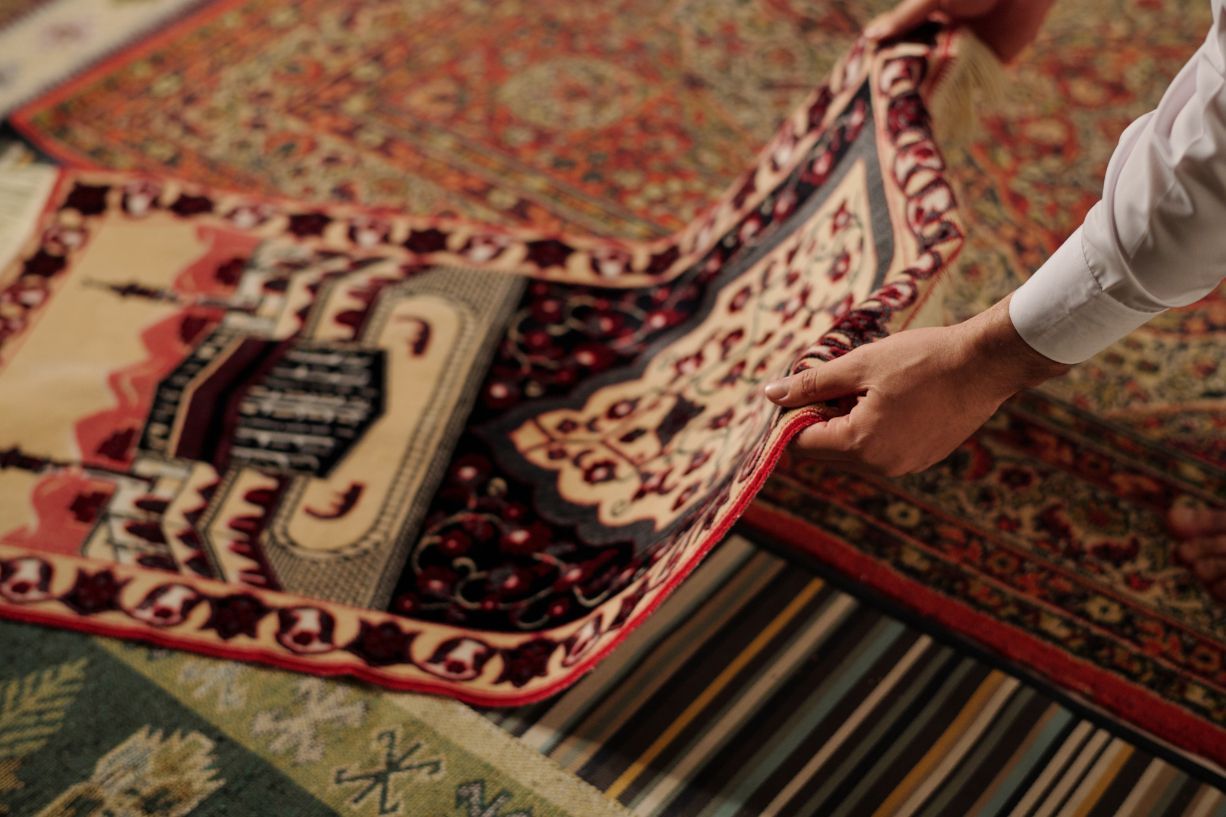
In the rug world, “antique” generally refers to pieces that are 100 years or older. “Vintage” rugs are typically 20–100 years old. Many luxury homes throughout Boston feature hand-knotted wool or silk rugs that fall into one of these categories.
Unlike machine-made rugs, hand-knotted rugs have a structural foundation — warp and weft threads — that can be repaired and rewoven by skilled artisans. That structural integrity is what makes restoration possible.
Signs Your Rug May Need Restoration
High-end rugs often show subtle signs of deterioration long before obvious holes appear. Early intervention can significantly extend the life of the piece.
Common indicators include:
• Worn or thinning areas in high-traffic zones
• Frayed or missing fringe
• Edge curling or unraveling
• Color bleeding from water exposure
• Moth damage along the foundation
• Loose or weakened backing structure
Boston’s seasonal humidity shifts, combined with forced-air heating systems, can accelerate fiber stress over time. Regular inspection by a rug specialist helps identify issues before they become extensive.
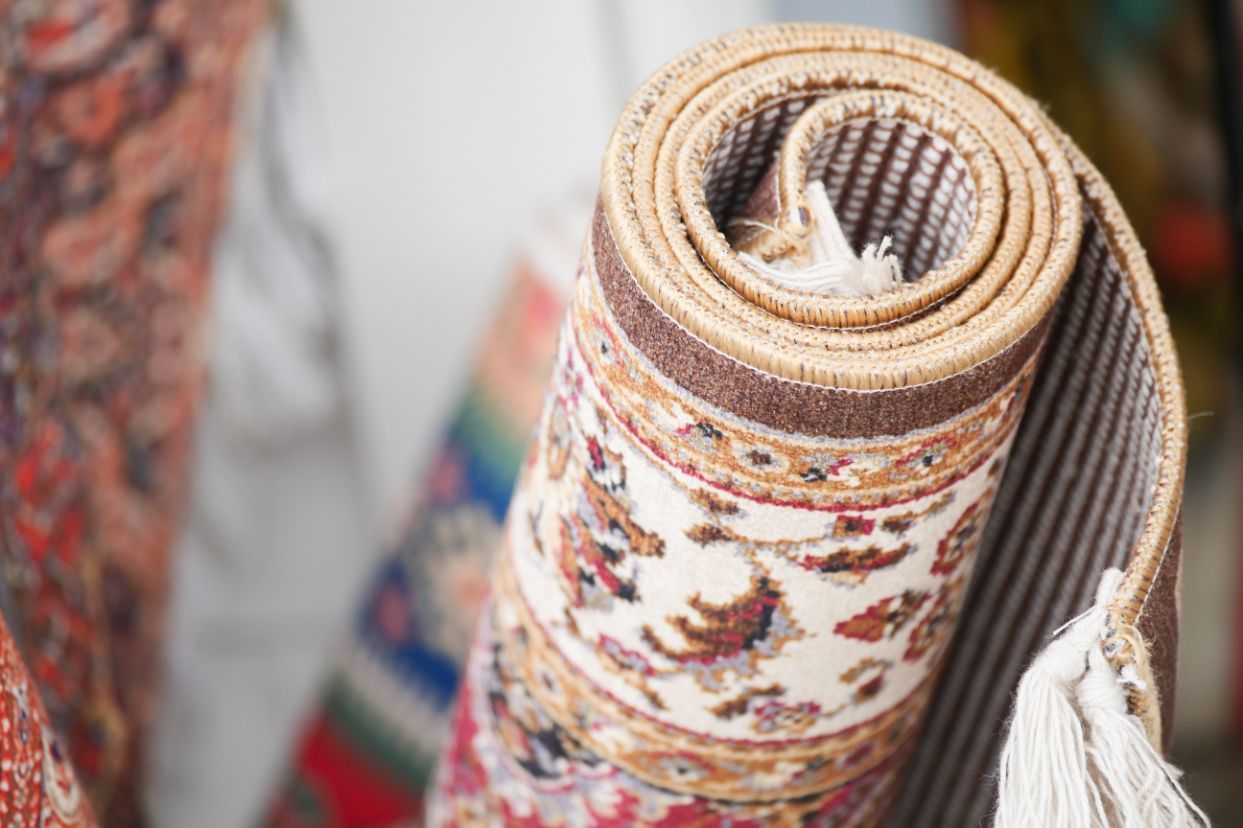
When Restoration Preserves Value
One of the most important distinctions between a decorative rug and an heirloom rug is value retention. Proper restoration, when done correctly, can:
• Stabilize structural damage
• Preserve original dyes and fibers
• Prevent further unraveling
• Maintain resale or appraisal value
• Extend the rug’s lifespan for decades
In many cases, restoration costs are far lower than replacing a comparable hand-knotted rug — particularly antique Persian or tribal pieces that are no longer produced.
When Replacement May Be Appropriate
Not every rug warrants restoration. Machine-made rugs, heavily compromised foundations, or rugs with synthetic backing may not justify extensive repair.
A reputable rug specialist will evaluate:
• Construction type
• Fiber content (wool, silk, cotton)
• Knot density
• Extent of structural damage
• Sentimental or investment value
The goal is not simply to repair — it is to advise honestly.
Why DIY Repair Can Decrease Value
Online tutorials often suggest trimming fringe, gluing backing, or patching holes. For fine rugs, these shortcuts can permanently reduce value and complicate future professional restoration.
Authentic restoration requires fiber matching, knot replication, and structural stabilization that aligns with the original weaving technique. Incorrect repairs can distort tension, alter pattern alignment, and weaken the rug’s foundation.
For heirloom pieces, professional evaluation is always recommended before attempting any repair.
Restoration as Preservation
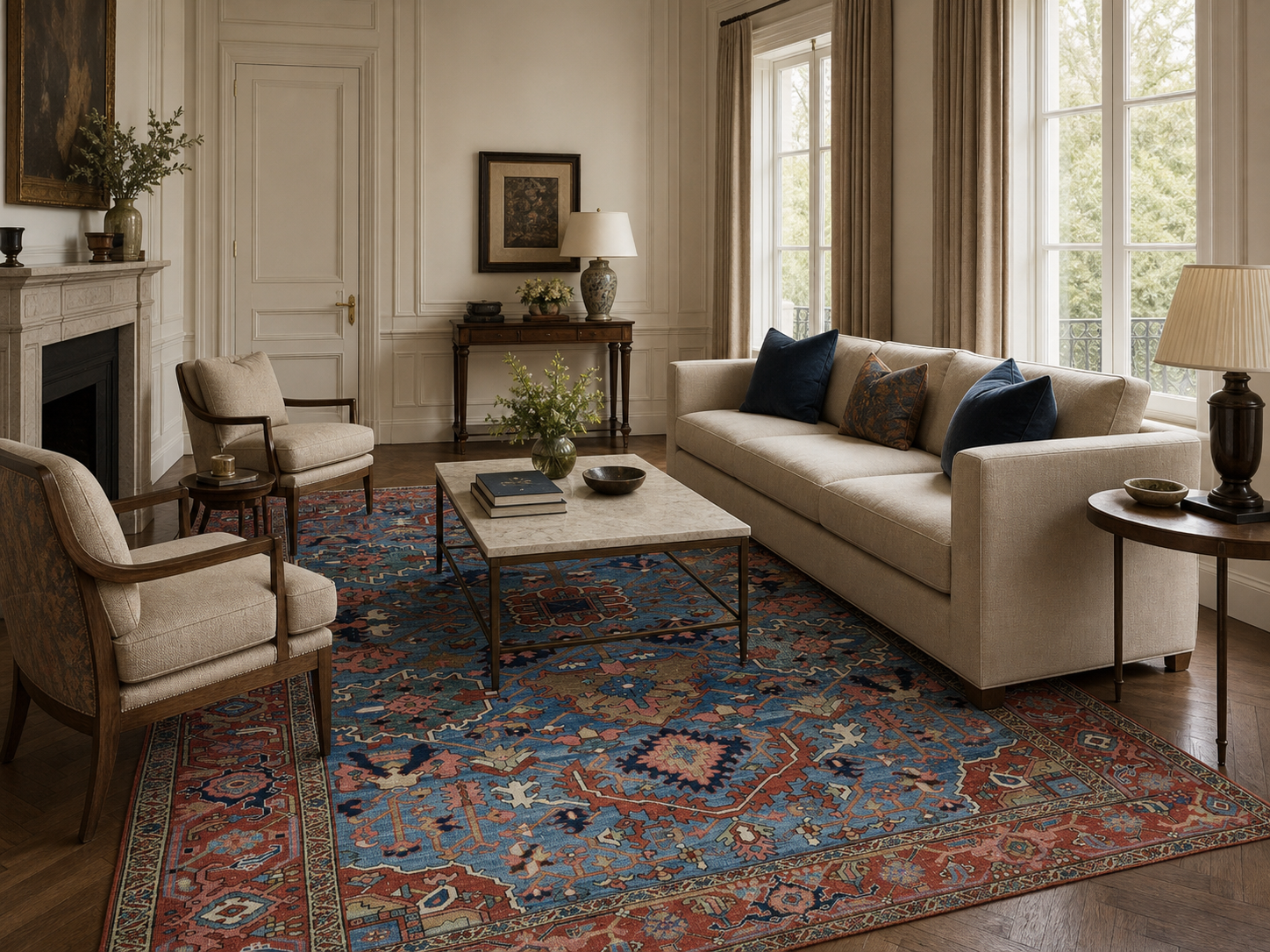
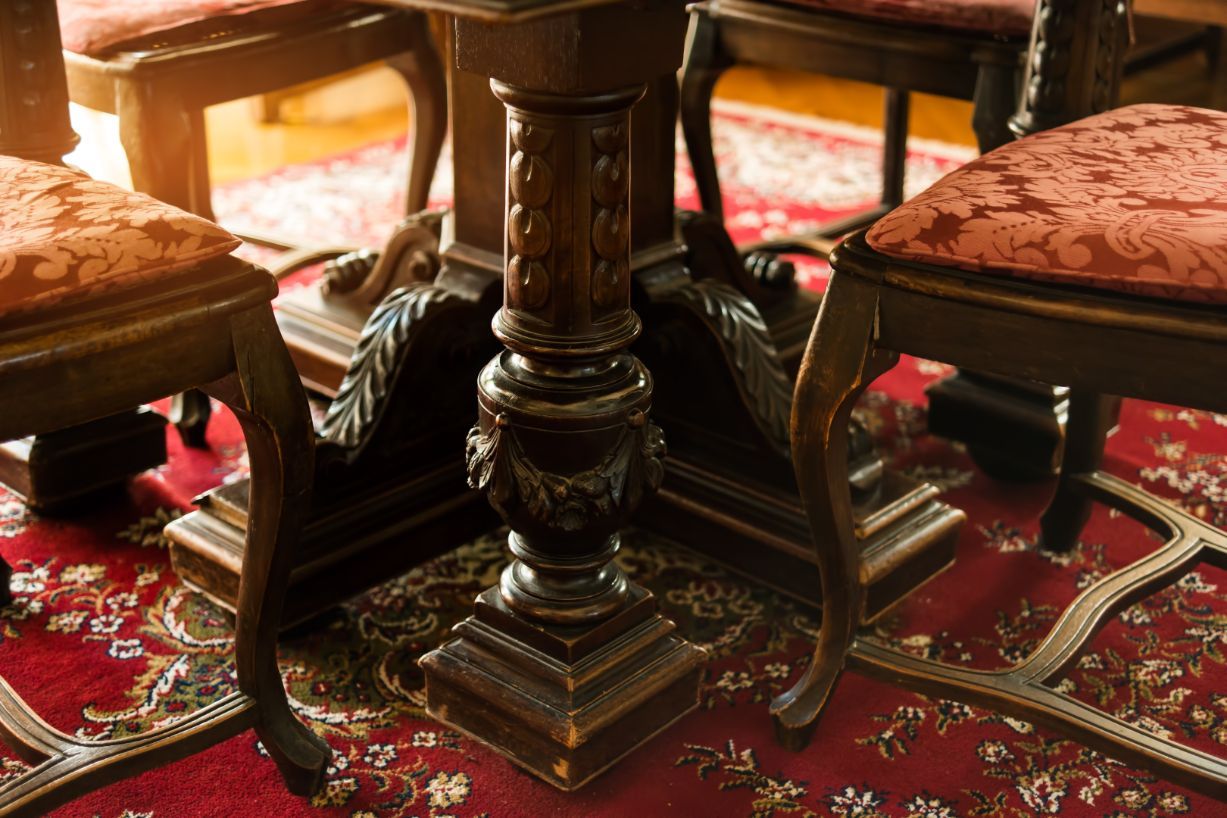
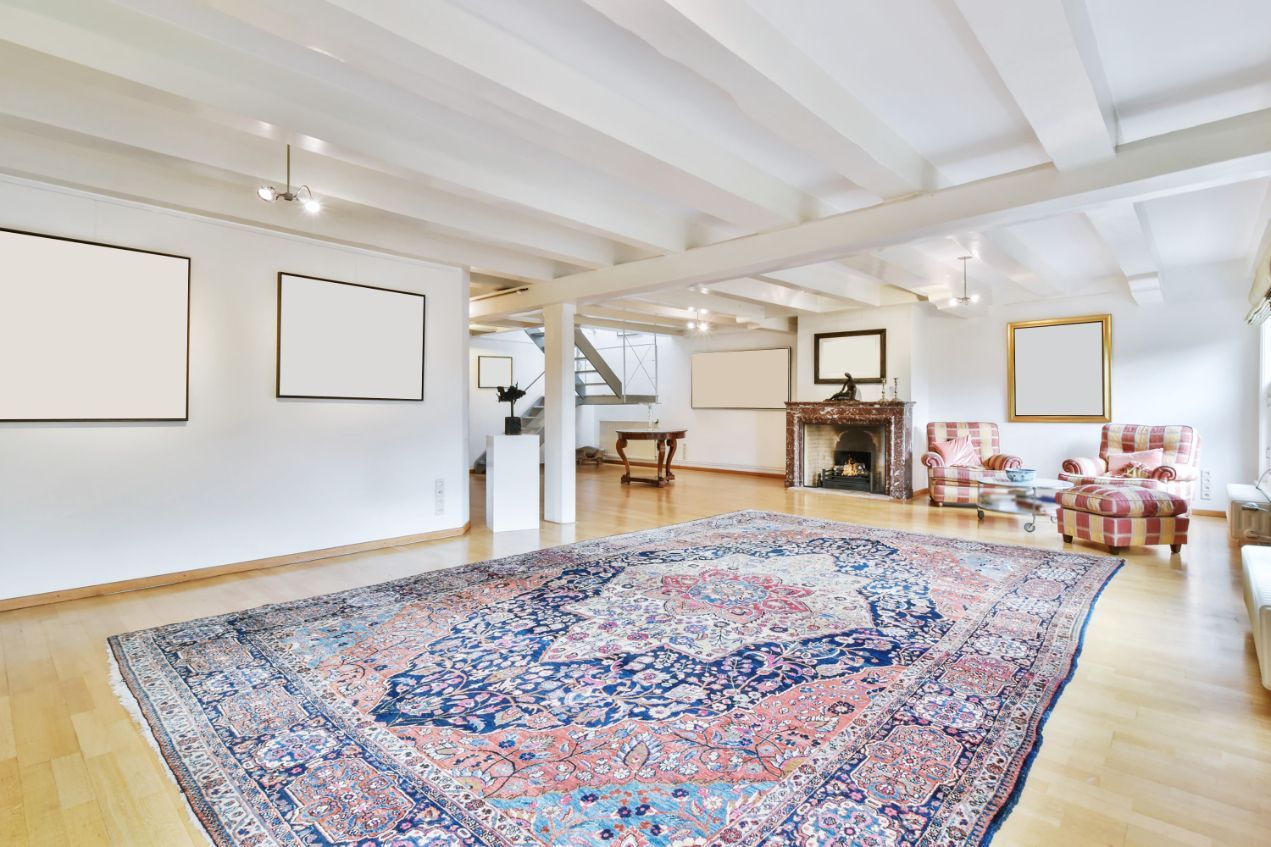
In Boston’s luxury homes, antique rugs are frequently passed down through generations. They anchor formal living rooms, libraries, dining spaces, and primary suites. Restoration is not simply cosmetic — it is preservation of craftsmanship and cultural heritage.
Whether a rug is a family heirloom or a carefully sourced investment piece, professional rug restoration ensures it remains a functional work of art for years to come.
If you own an antique or hand-knotted rug showing signs of wear, consulting with a knowledgeable rug specialist can help you determine the right path forward.
First Rugs offers expert rug restoration and repair services for discerning homeowners throughout Boston, Acton, and the surrounding
Massachusetts area.
Schedule a professional evaluation to preserve the beauty, structure, and long-term value of your fine rugs.