Antique Rug Appraisal Services in Boston, MA
Are Antique Rugs a Good Investment? A Boston Appraisal Guide
What Defines an Antique Rug?
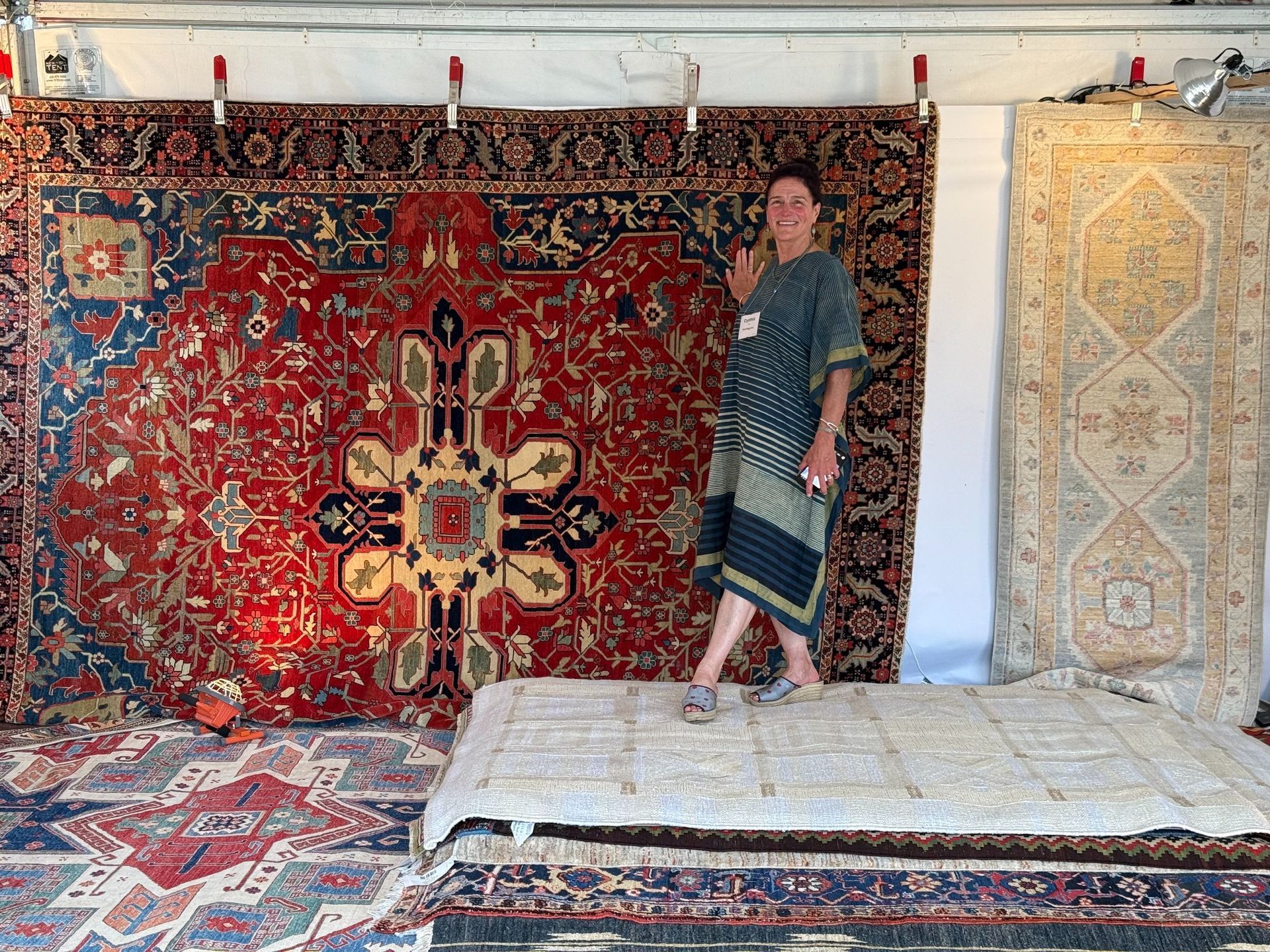
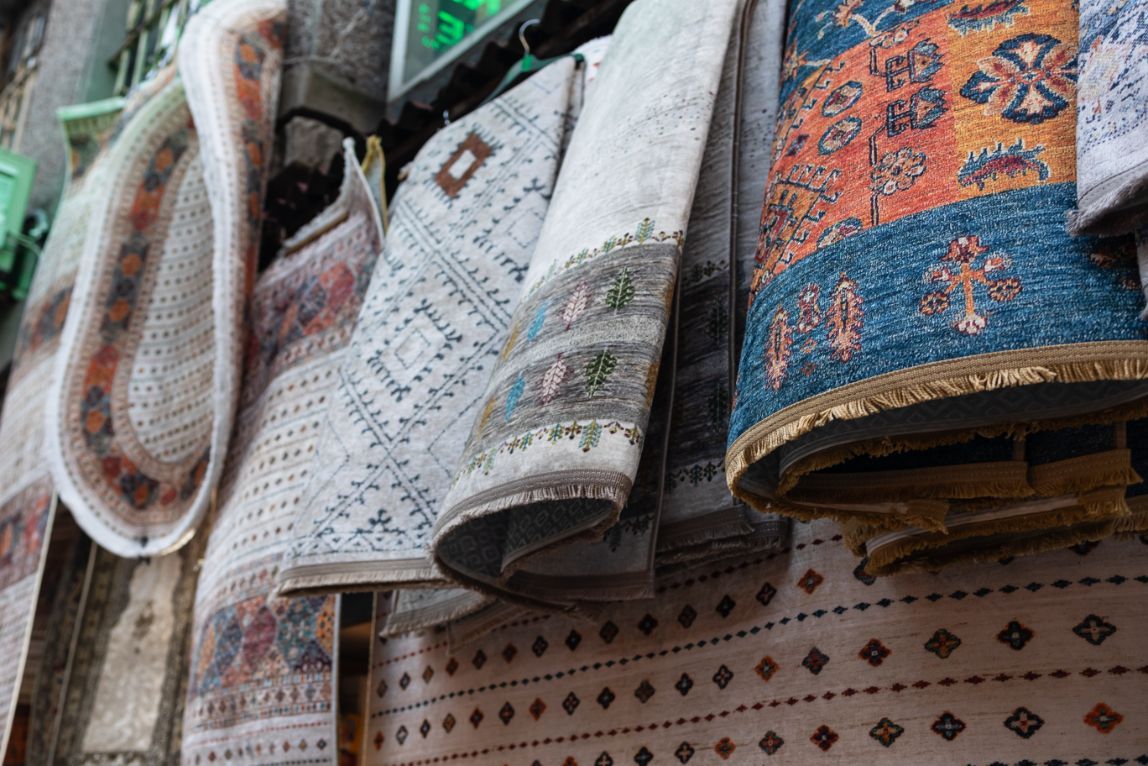
In the textile and rug world, a rug is typically considered “antique” if it is 100 years old or more. Vintage rugs are generally between 20 and 100 years old. Many of the most sought-after pieces originate from Persian, Turkish, Caucasian, and Central Asian weaving traditions.
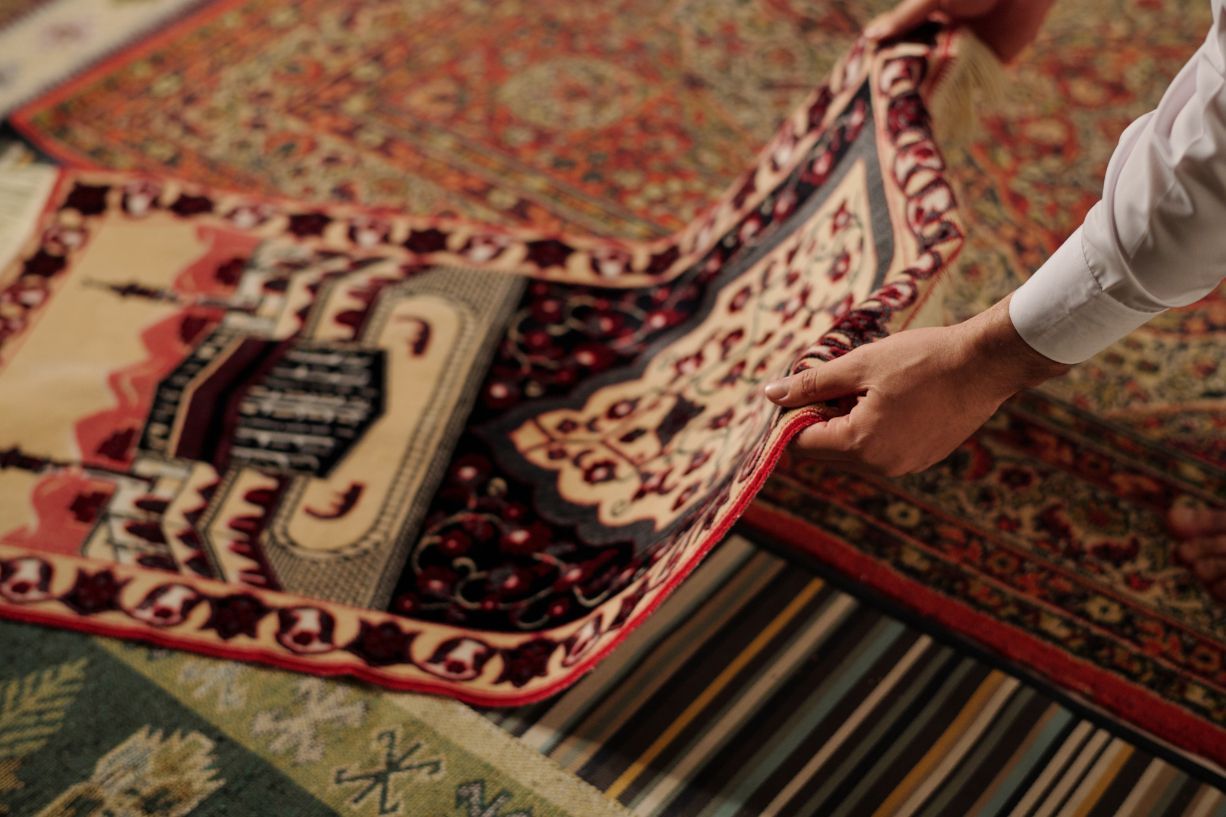
True hand-knotted rugs differ significantly from machine-made reproductions. Their value is influenced by craftsmanship, natural dyes, knot density, regional design patterns, and overall condition.
For Boston collectors, interior designers, and homeowners, identifying these characteristics is the first step in determining whether a rug holds meaningful market value.
What Determines the Value of an Antique Rug?
No two rugs are valued the same. A professional appraisal considers multiple factors, including:
• Age and origin
• Material composition (wool, silk, cotton foundation)
• Knot density and weaving technique
• Design rarity and pattern integrity
• Condition and prior restoration
• Provenance, if available
• Current market demand
Condition plays a particularly important role. Proper restoration can help stabilize a rug and preserve value, while improper repairs may reduce it.
Because rug markets fluctuate over time, accurate valuation requires both technical expertise and awareness of current demand trends.

Are Antique Rugs a Good Investment?
High-quality antique rugs can hold — and in some cases increase — their value over time, particularly rare hand-knotted pieces in excellent condition.
However, rugs should not be viewed as speculative investments. They are long-term assets that combine artistry with utility. Their value is strongest when:
• The piece is authentic and well-preserved
• Restoration has been performed correctly
• Documentation supports origin or provenance
• The rug has enduring aesthetic appeal
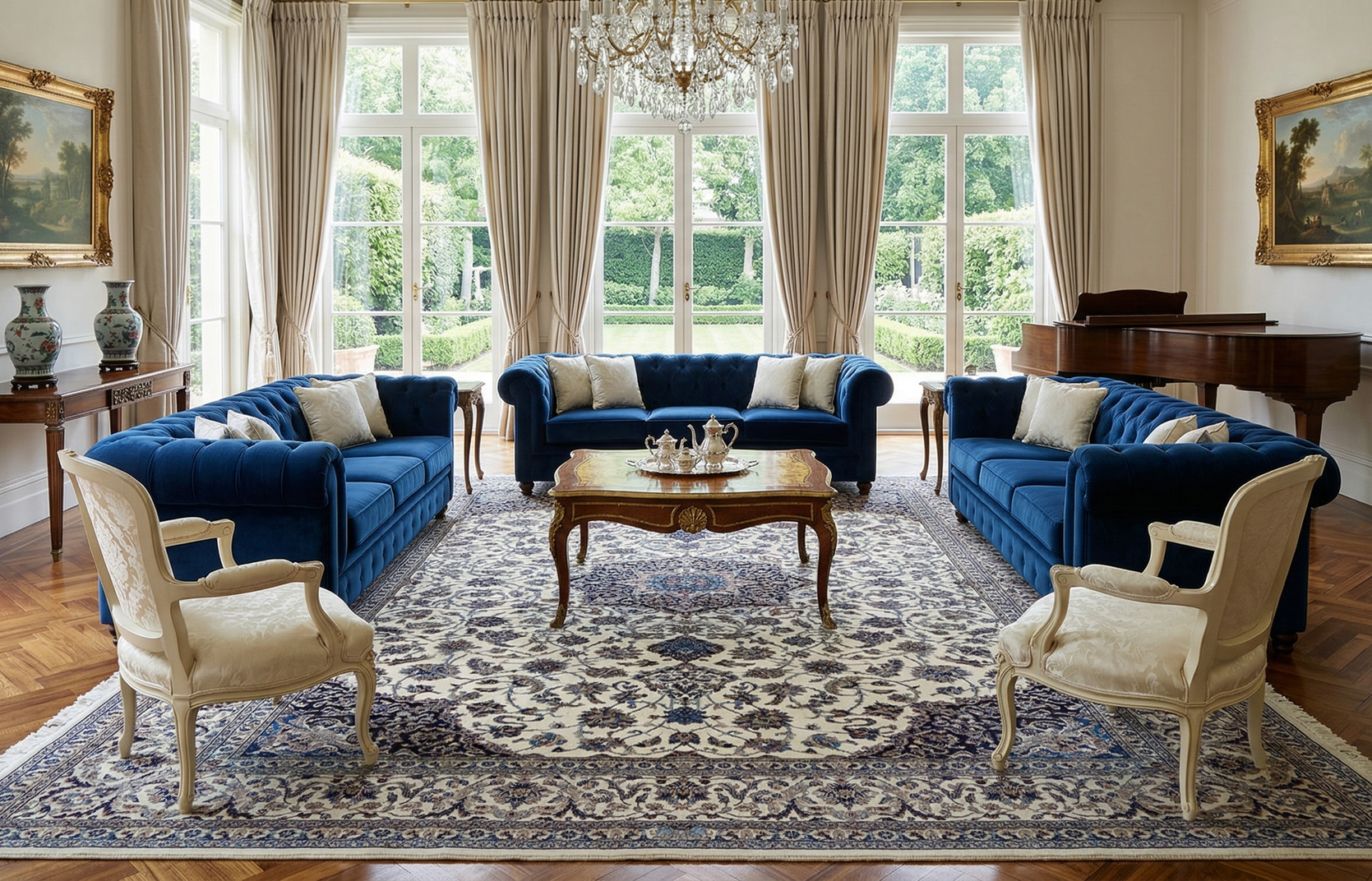
In Boston’s luxury homes,
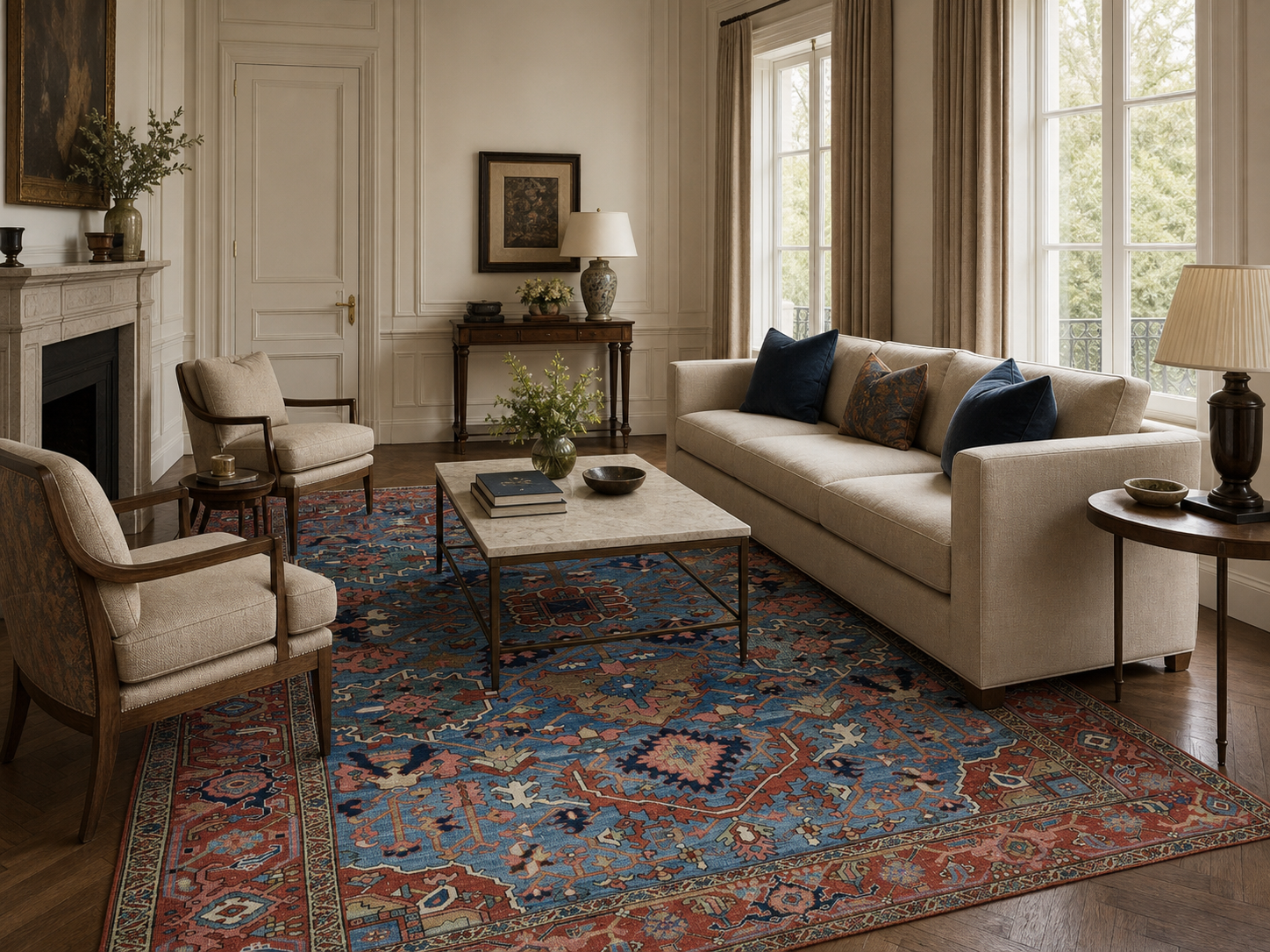
antique rugs often function as both design statements and heirloom assets passed down through generations.
Why Professional Rug Appraisal Matters
Professional appraisal serves several important purposes:
Insurance Documentation
Many homeowners underestimate the replacement value of hand-knotted rugs. Accurate appraisal ensures proper coverage in the event of loss or damage.
Estate Planning
Rugs are frequently included in estate settlements. Clear valuation simplifies distribution and financial planning.
Resale or Consignment
If considering resale, knowing the fair market value helps establish realistic expectations and informed decisions.
Divorce or Asset Division
Textiles of significant value may require formal documentation during asset division proceedings.
An experienced rug specialist evaluates the piece holistically — not simply by age, but by craftsmanship and market context.
Common Misconceptions About Rug Value
One of the most common misunderstandings is that all old rugs are highly valuable. Age alone does not determine worth. Likewise, not every Persian rug automatically commands high market value.
Conversely, some lesser-known tribal or regional weavings may be more valuable than expected due to rarity or design uniqueness.
Without professional evaluation, it is difficult to determine where a particular fine art piece stands in today’s marketplace.
When Should You Have a Rug Appraised?
Rug valuation is not a one-time event. Because condition, market demand, and insurance requirements change over time, periodic appraisal is an important part of responsible ownership.
Consider scheduling a professional rug appraisal if:
•
You have inherited a hand-knotted rug.
Many families in Boston discover valuable antique carpets passed down through generations without documentation. An appraisal clarifies origin, age, and current market value, helping you make informed decisions about preservation or insurance.
•
Your rug has not been evaluated in several years.
Market demand for certain weaving regions, patterns, and antique categories can shift. A rug appraised ten years ago may carry a very different value today.
•
You are updating homeowner’s insurance coverage.
Standard insurance policies often undervalue hand-knotted rugs. A current professional appraisal ensures accurate replacement value documentation in the event of loss, water damage, or theft.
•
You are considering restoration or resale.
Understanding a rug’s fair market value helps determine whether restoration is financially justified and provides clarity before entering consignment or resale discussions.
•
You are preparing an estate plan.
Fine rugs are tangible assets. Proper valuation simplifies estate distribution and helps avoid disputes among heirs or beneficiaries.
•
You have experienced damage or significant wear.
If a rug has sustained water damage, moth activity, or structural deterioration, reassessment may be necessary to reflect its updated condition.
Professional appraisal provides not only a monetary figure, but clarity, documentation, and peace of mind.
Protecting Both Beauty and Value
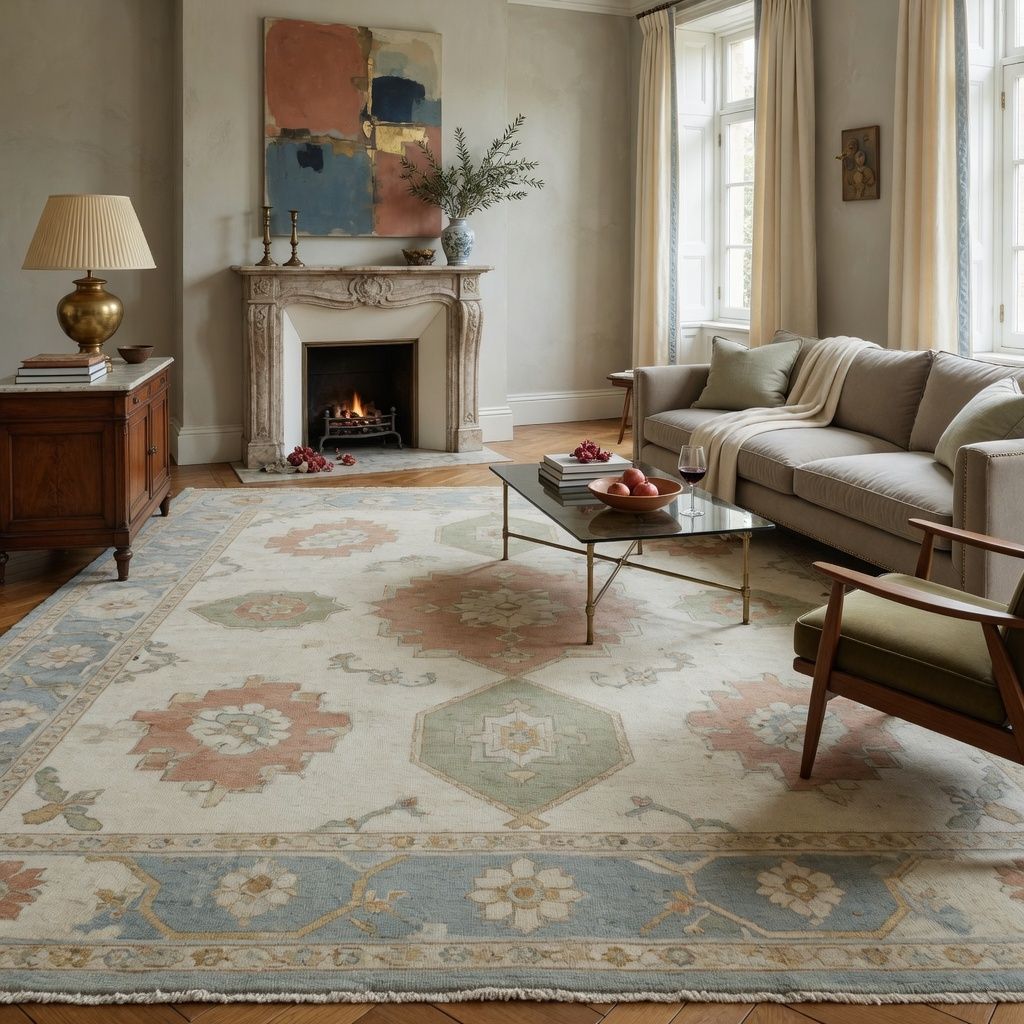
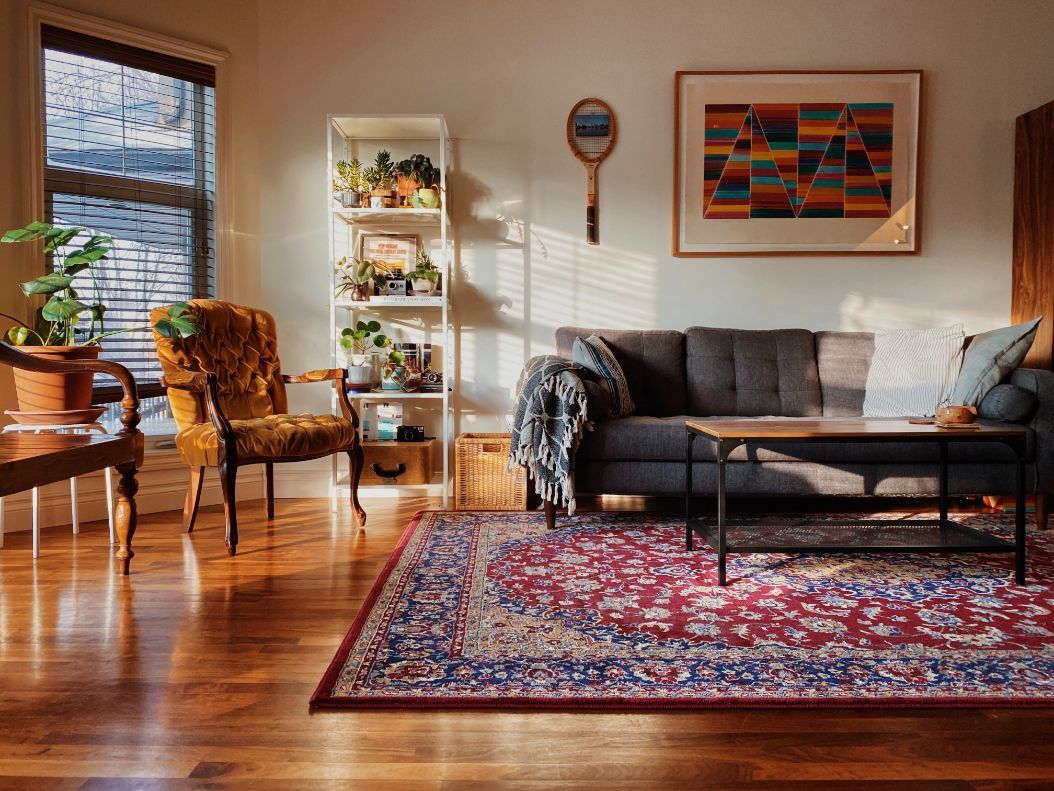
In Boston’s historic brownstones, suburban estates, and contemporary residences, antique rugs often serve as foundational design elements. Beyond aesthetic appeal, they represent cultural heritage and financial significance.
Professional appraisal ensures that their value — both artistic and monetary — is properly understood and protected.
If you own an antique or heirloom rug and would like to understand its current market value, insurance replacement value, or resale potential, consulting with a knowledgeable specialist is the next logical step.
First Rugs provides professional antique rug appraisal services for homeowners, collectors, and estates throughout Boston, Acton, and surrounding Massachusetts communities. Schedule a confidential evaluation to gain clarity on the true value of your fine rugs.
Whether your goal is preservation, protection, or planning, their experienced team can guide you with expertise and discretion.