Doroksh
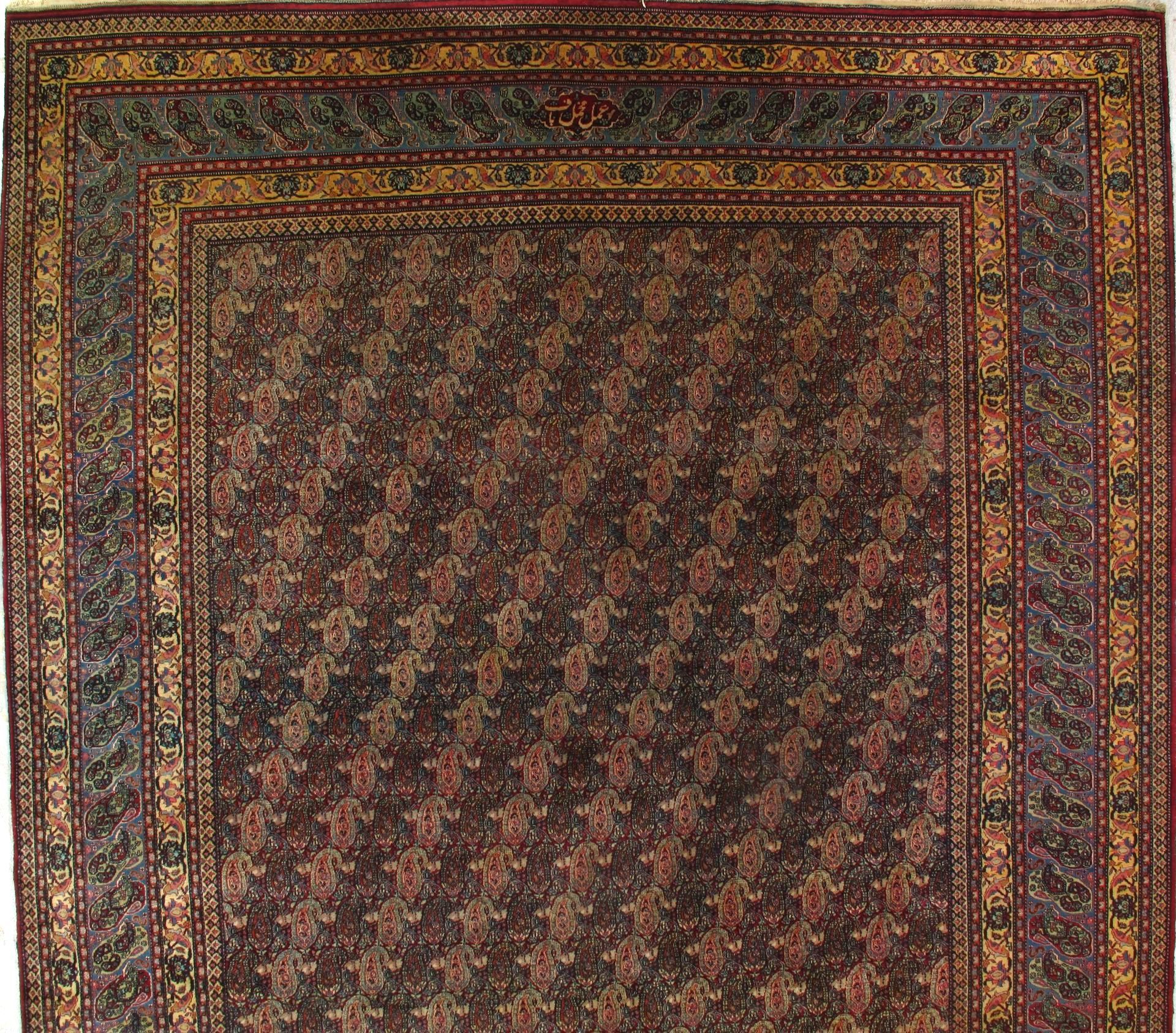
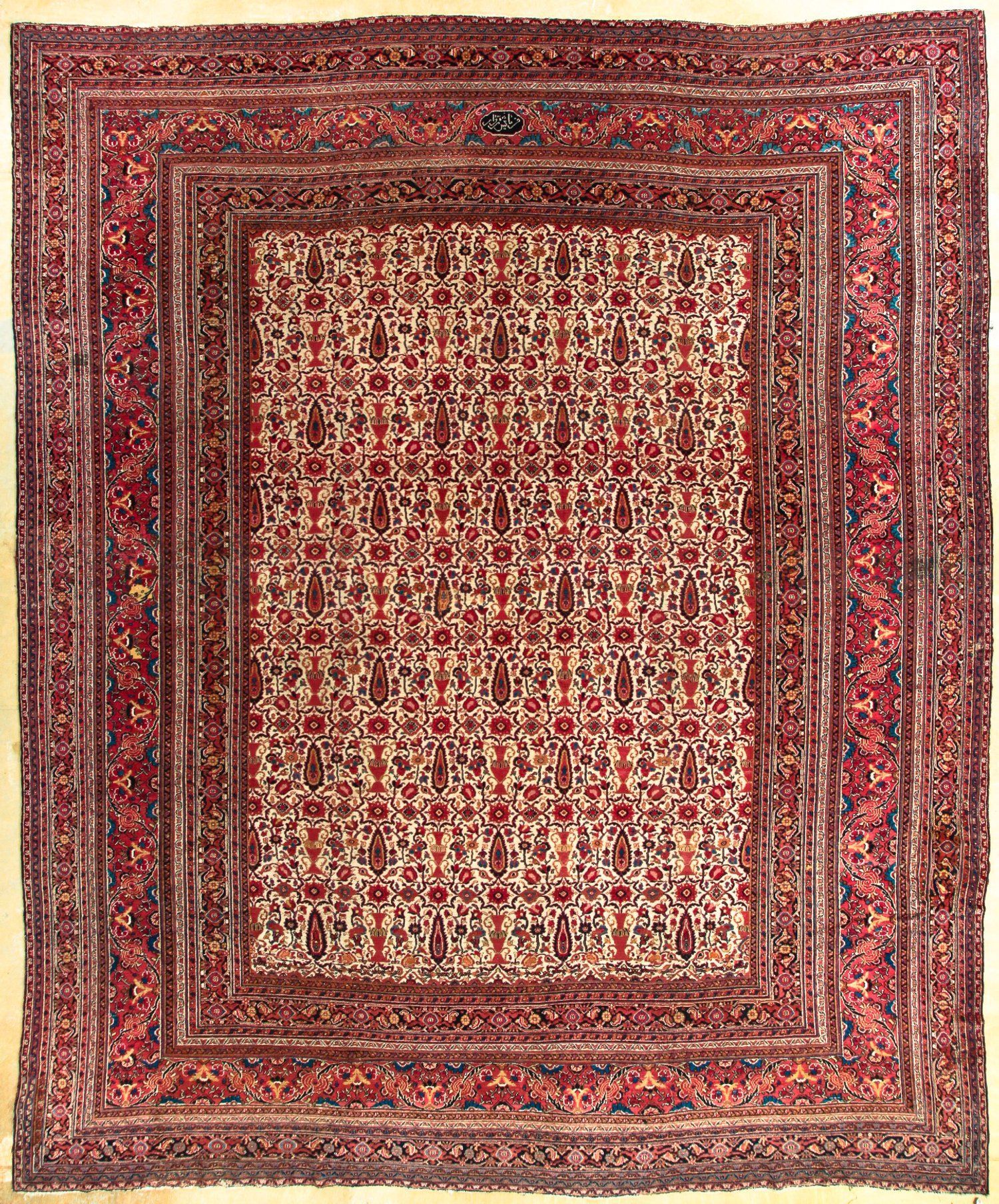
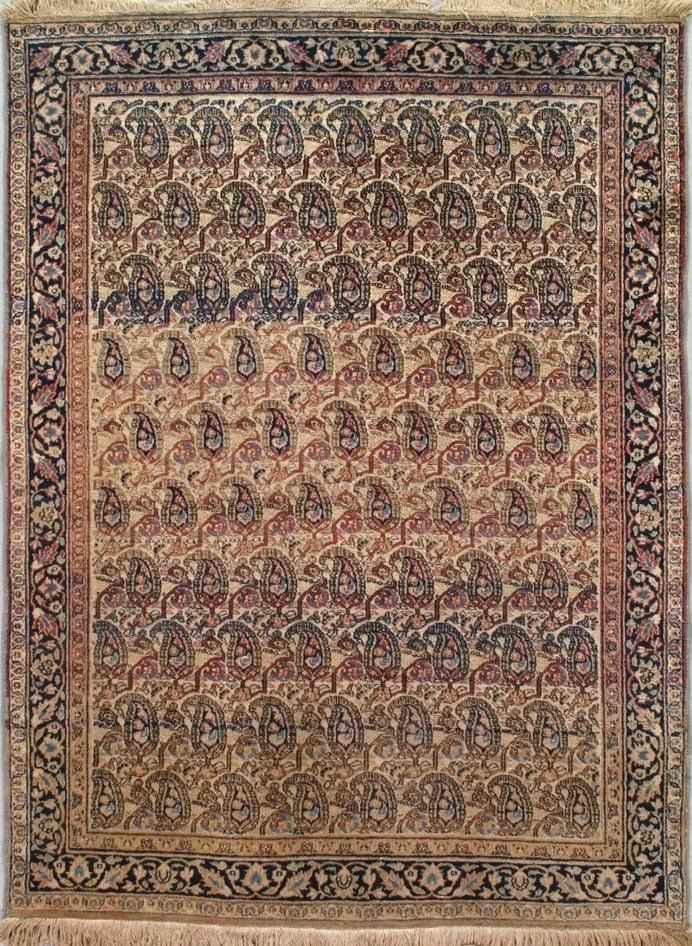
Doroksh rugs are named for the Doroksh hills in Iran's Khorasan province, in the country's northeast — a historic weaving center revived in the late nineteenth century to produce carpets for the great cultural capitals of the region: finely woven, generously scaled, and unmistakably formal.
What sets a Doroksh rug apart is its weave. Using the asymmetric, or Persian, knot, weavers achieved unusually high knot density — often 130 to 260 knots per square inch — allowing for the close, precise detail the style is known for. Older pieces sit on wool foundations, with cotton becoming more common later, and the wool itself carries a distinctive silky hand.
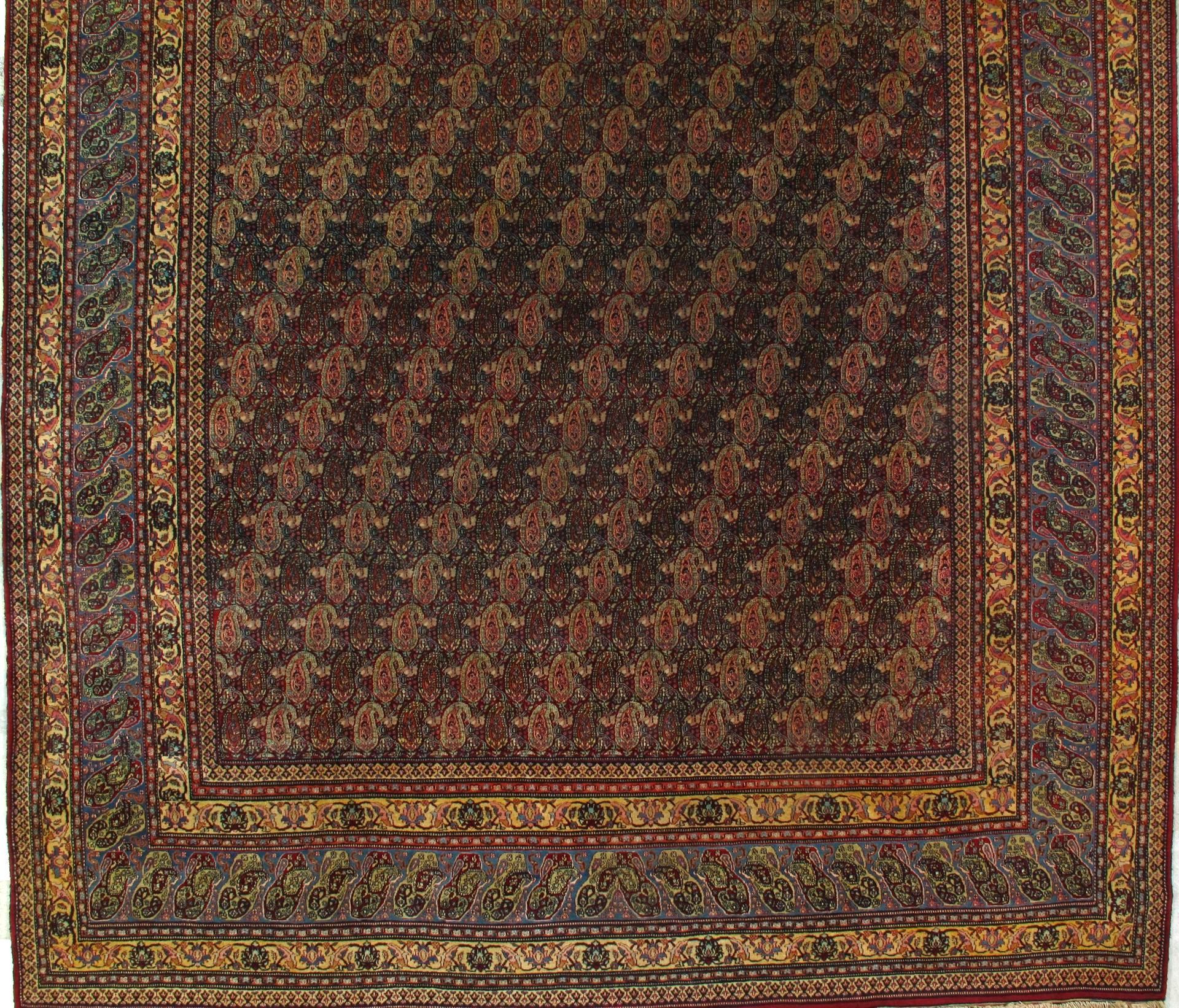
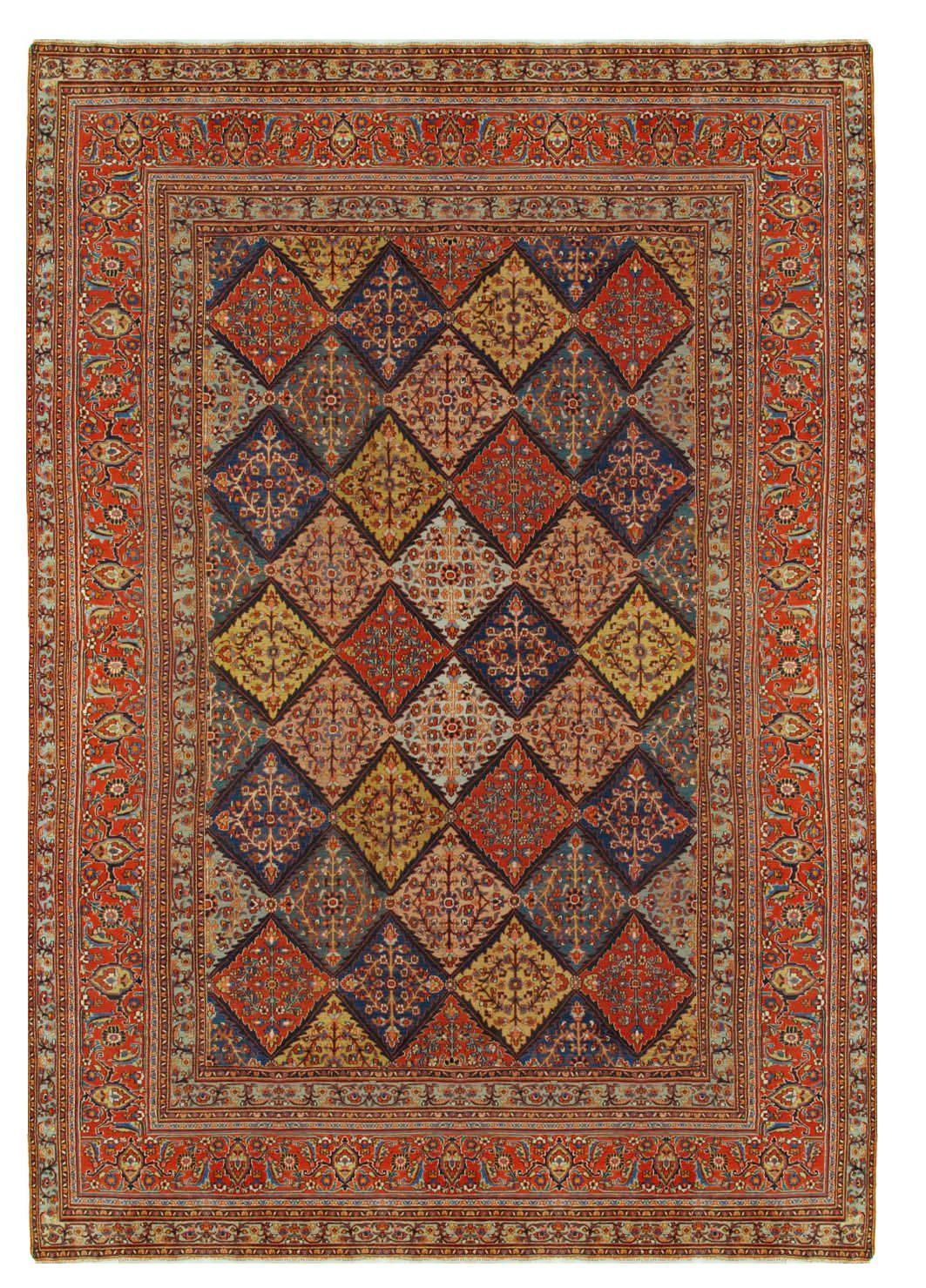
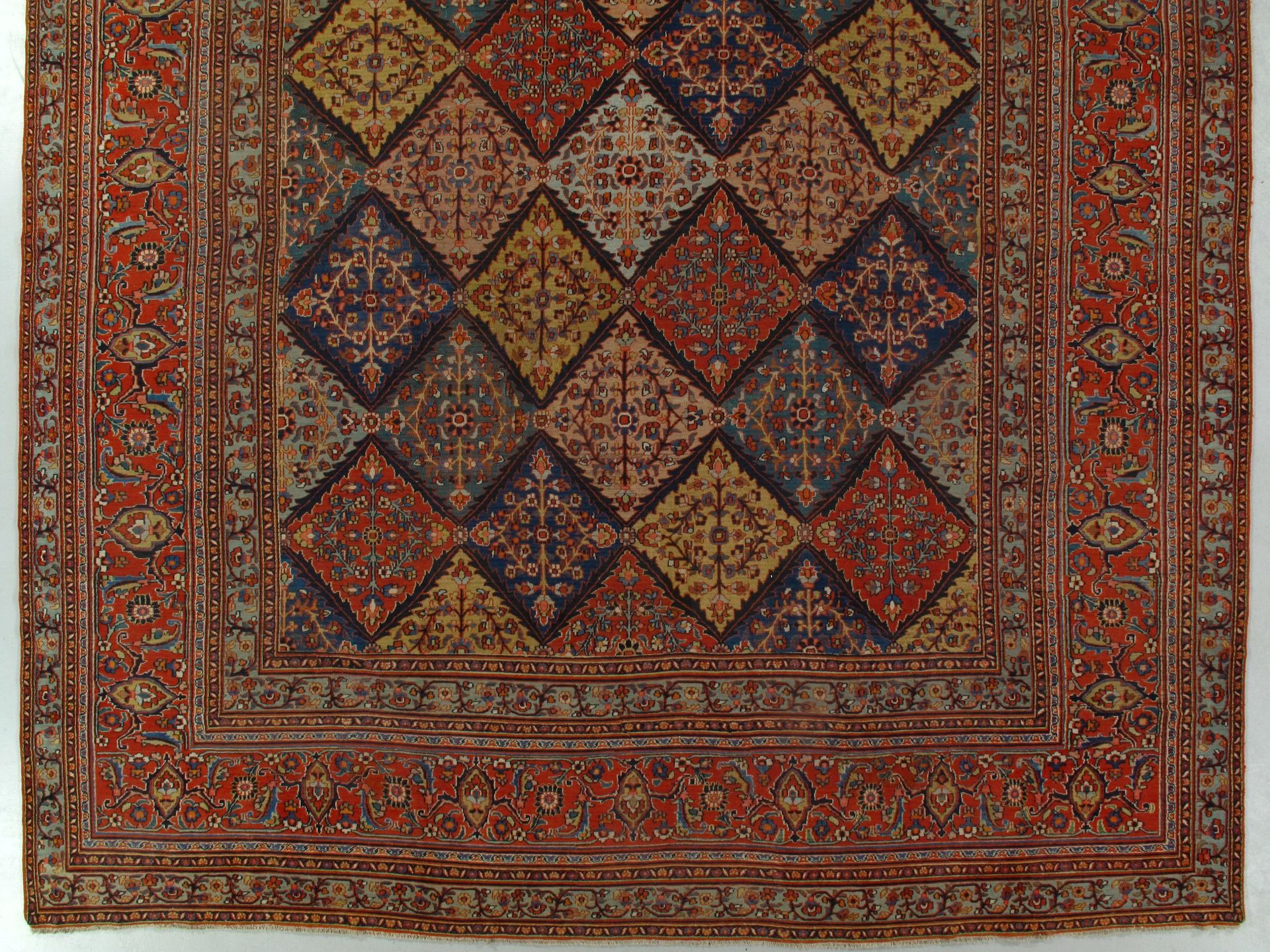
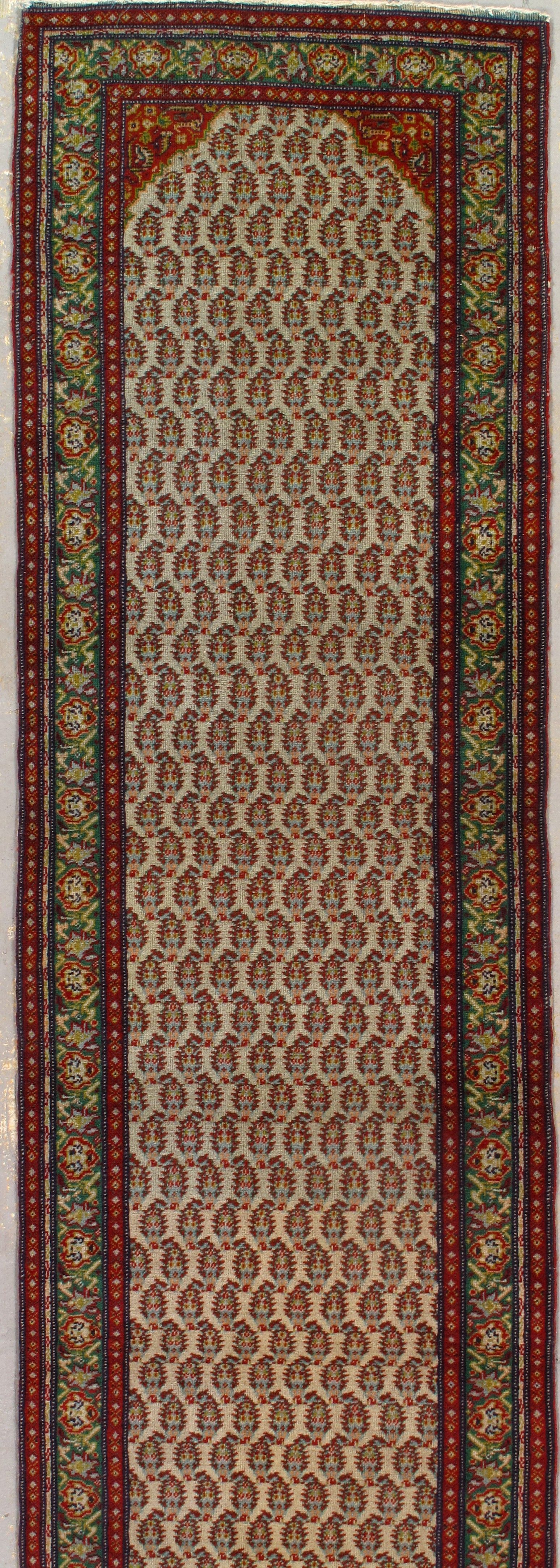
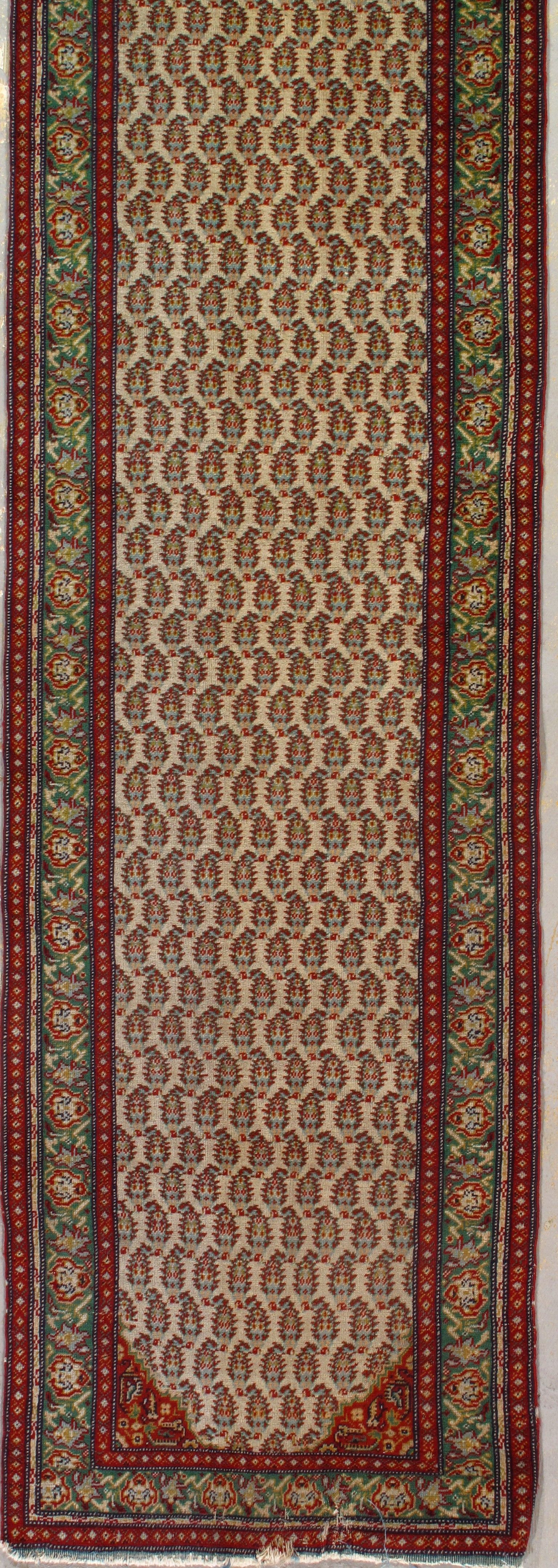
The palette draws on the region's mineral-rich soil: crimson, beige, and dark blue dominate, with pistachio, olive, ivory, and camel as secondary tones. Designs run both as expansive all-over fields and formal central medallions, and the region is closely tied to the Herati, or fish, pattern, one of the most enduring motifs in Persian weaving.
Explore our current Doroksh selection, or visit our Acton, MA or Boston SoWa showrooms to see these carpets in person and talk through placement with our team.
Doroksh rugs are named for the Doroksh hills in Iran's Khorasan province, in the country's northeast — a historic weaving center revived in the late nineteenth century to produce carpets for the great cultural capitals of the region: finely woven, generously scaled, and unmistakably formal.
What sets a Doroksh rug apart is its weave. Using the asymmetric, or Persian, knot, weavers achieved unusually high knot density — often 130 to 260 knots per square inch — allowing for the close, precise detail the style is known for. Older pieces sit on wool foundations, with cotton becoming more common later, and the wool itself carries a distinctive silky hand.
The palette draws on the region's mineral-rich soil: crimson, beige, and dark blue dominate, with pistachio, olive, ivory, and camel as secondary tones. Designs run both as expansive all-over fields and formal central medallions, and the region is closely tied to the Herati, or fish, pattern, one of the most enduring motifs in Persian weaving.
Explore our current Doroksh selection, or visit our Acton, MA or Boston SoWa showrooms to see these carpets in person and talk through placement with our team.